
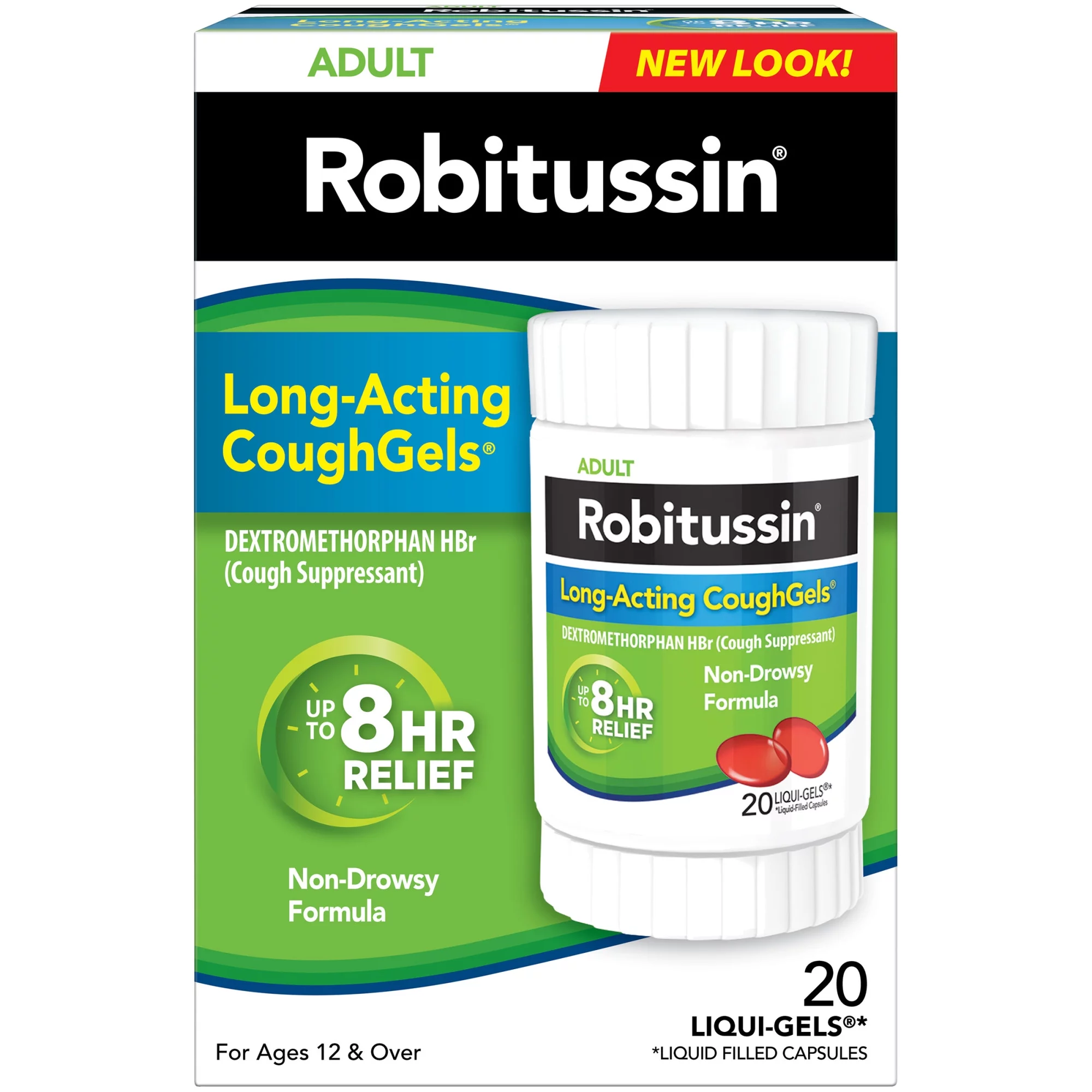
If you have a cough and a cold, you may be tempted to reach for some Robitussin to ease your symptoms. Robitussin is a brand name for several over-the-counter products that contain guaifenesin, an expectorant that helps thin and loosen mucus in your lungs. But before you take Robitussin, you should be aware of how it can affect your heart.
Advertisement
Robitussin is generally safe for most people when used as directed. However, some people may experience side effects, such as headache, nausea, vomiting, stomach pain, or diarrhea. These side effects are more likely to occur if you take more than the recommended dose or use Robitussin for a long time.

One of the rare but serious side effects of taking too much Robitussin is kidney stones. Kidney stones can cause severe pain in your back or side, blood in your urine, fever, chills, vomiting, or a burning sensation when you urinate. If you have any of these symptoms, you should contact your doctor right away.
Advertisement
Another possible effect of taking too much Robitussin is a fast or irregular heartbeat. This can happen because guaifenesin can affect the electrical signals in your heart and make it beat faster or out of rhythm. This is called tachycardia or arrhythmia, respectively. These conditions can be dangerous and require medical attention.
Some factors that can increase your risk of having a fast or irregular heartbeat from Robitussin include:
- Having an existing heart problem, such as atrial fibrillation, heart failure, or coronary artery disease
- Taking other medications that can affect your heart rate or rhythm, such as asthma medicines, antibiotics, antidepressants, or thyroid medicines
- Taking supplements that can affect your heart rate or rhythm, such as bitter orange, valerian, hawthorn, ginseng, or ephedra
If you notice any changes in your heart rate or rhythm after taking Robitussin, you should call 911 or seek emergency medical help. Some signs and symptoms to watch out for include:
- Lightheadedness or dizziness
- Shortness of breath
- Chest pain
- Heart palpitations (feeling like your heart is skipping a beat, fluttering, or pounding)
- Fainting
Leave a Reply