
Milli Vanilli, a German R&B music act, skyrocketed to international fame in the late 1980s and early 1990s, captivating audiences with their catchy tunes and dynamic performances.
Advertisement
However, their meteoric rise turned into one of the most infamous chapters in music history when it was revealed that Fab Morvan and Rob Pilatus, the frontmen of the group, did not contribute their vocals to their chart-topping hits.
The duo, packaged by Boney M. founder Frank Farian in 1988, achieved massive success with their debut album, released as “All or Nothing” in Europe and as “Girl You Know It’s True” in the United States.
The album featured hits like “Baby Don’t Forget My Number” and “Blame It on the Rain” and earned them a Grammy Award for Best New Artist on February 21, 1990.
Milli Vanilli’s captivating stage presence and infectious songs made them a sensation, selling millions of records worldwide. However, their glamorous image came crashing down when it was exposed that Morvan and Pilatus were not the actual vocalists on their tracks.
The revelation led to the revocation of their Grammy Award, tarnishing their reputation and ending their reign as pop icons.
Advertisement
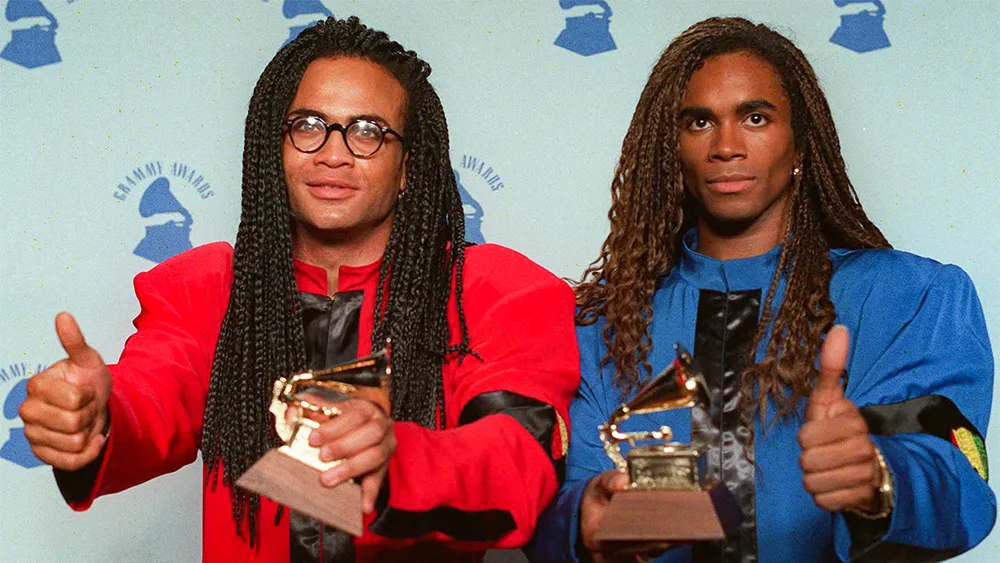
The scandal unfolded in 1990 when it was disclosed that the vocals on Milli Vanilli’s recordings were performed by studio singers, including Brad Howell, John Davis, Charles Shaw, Jodie Rocco, and Linda Rocco, with Morvan and Pilatus serving as lip-syncing dancers.
The deception shattered the illusion carefully crafted by their producers and left fans and the music industry in shock. In an attempt to salvage their career, Milli Vanilli recorded a comeback album titled “Back and in Attack” in 1998.
However, the album’s release was canceled following the tragic death of Rob Pilatus at the age of 32. The demise of one of pop music’s most notorious acts marked the end of Milli Vanilli’s tumultuous journey in the spotlight.
Milli Vanilli’s Grammy scandal remains a cautionary tale in the music industry, serving as a reminder of the consequences of artistic deception and the importance of authenticity in the world of entertainment.
Leave a Reply