
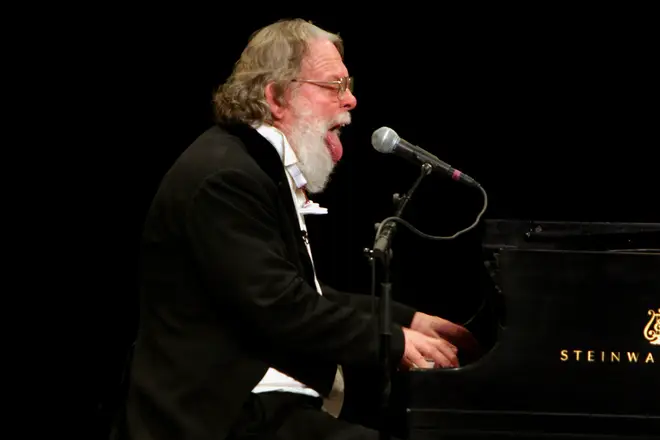
The music world mourns the loss of Johann Peter Schickele, an American composer, musical educator, and parodist, who left an indelible mark with his unique blend of humor and musical talent. Born on July 17, 1935, Schickele’s legacy extends far beyond traditional compositions, as he carved a niche for himself with his comedic alter ego, P. D. Q. Bach.
Advertisement
Schickele’s ingenious musical creations, attributed to the fictional P. D. Q. Bach, became a source of delight for audiences worldwide. With a humorous touch, he presented these compositions on comedy albums, showcasing his ability to seamlessly blend classical elements with comedic twists. The whimsical world of P. D. Q. Bach allowed Schickele to flex his creative muscles in a way that resonated with both music enthusiasts and those seeking a lighthearted musical experience.

A testament to his comedic prowess, Schickele hosted the long-running weekly radio program, Schickele Mix. This show became a platform for him to share his musical insights, entertain audiences, and further solidify his reputation as a unique voice in the world of classical music.
Advertisement
One of Schickele’s notable achievements came in the form of Grammy Awards. From 1990 to 1993, his P. D. Q. Bach recordings earned him four consecutive wins for the prestigious Grammy Award for Best Comedy Album. This recognition not only highlighted his comedic genius but also underscored the impact of his work in the realm of musical comedy.
Beyond the laughter-inducing world of P. D. Q. Bach, Schickele’s influence extended to the realm of education. As a musical educator, he shared his knowledge and passion with countless students, leaving an enduring imprint on the next generation of musicians.
Johann Peter Schickele’s passing on January 16, 2024, marks the end of an era. His ability to seamlessly weave humor into the fabric of classical music has left an enduring legacy. Whether through the fictitious compositions of P. D. Q. Bach or the engaging conversations on Schickele Mix, he enriched the musical landscape, proving that laughter and classical music are not mutually exclusive.
Leave a Reply