

If you have diabetes, you may wonder if oat milk is a good choice for your diet. Oat milk is a plant-based milk alternative that is made from oats water, and sometimes other ingredients like oil, salt, or sweeteners.
Advertisement
Oat milk has become very popular in recent years because of its creamy texture, neutral flavor, and environmental benefits. But how does oat milk affect your blood sugar levels? Oat milk contains a type of natural sugar called maltose, which has a glycemic index of 105 – higher than table sugar.
The high maltose levels in oat milk result from how the oat starches break down during processing. Maltose rapidly spikes your blood sugar, which is the opposite of what you want to occur with diabetes. Even unsweetened oat milk still contains sugars that can affect blood glucose.
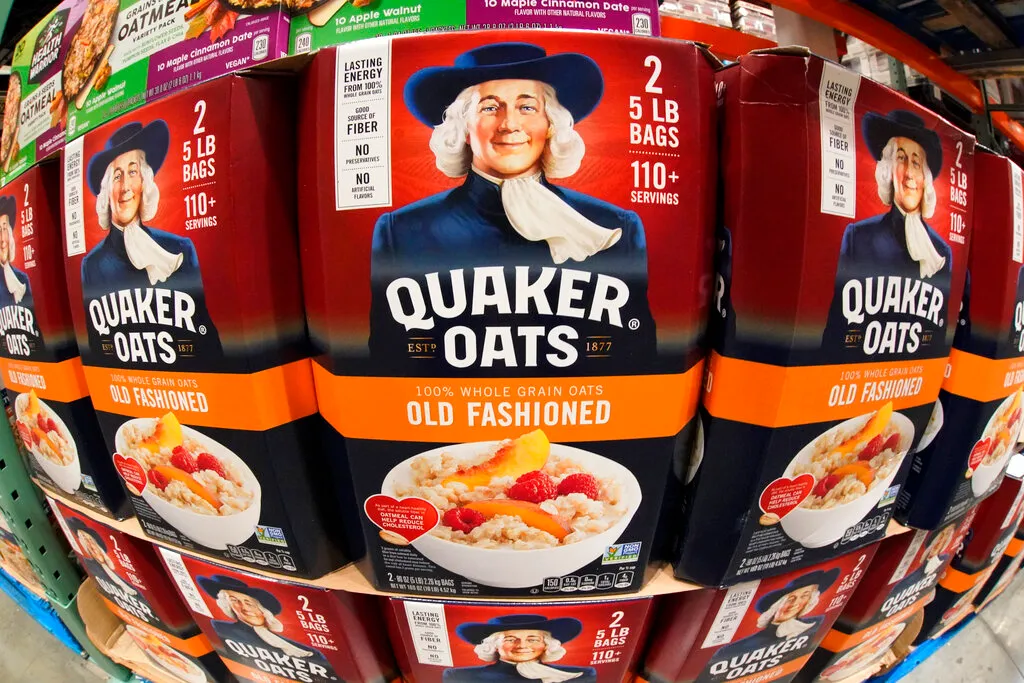
A cup of unsweetened oat milk has about 7 grams of sugar, while a cup of cow’s milk has about 12 grams of sugar. However, cow’s milk has a lower glycemic index than oat milk, which means it raises blood sugar more slowly and steadily.
Advertisement
On the other hand, oat milk also has some benefits for people with diabetes. Oat milk is high in fiber and protein, which can help you feel full longer and support weight management. Oat milk also contains beta-glucan, a type of soluble fiber that can lower cholesterol and improve heart health.
Oat milk is also suitable for people who are lactose intolerant, vegan, or allergic to nuts or soy. So, can diabetics eat oats every day? The answer depends on your individual preferences, goals, and needs. Oat milk can be a nutritious addition to your diet if you enjoy its taste and texture, but you should be mindful of its impact on your blood sugar levels.
You may want to limit your intake of oat milk or choose a lower-sugar option like almond or soy milk. You may also want to pair oat milk with foods that are low in carbs and high in protein or fat, such as nuts, seeds, eggs, or cheese. This can help balance your blood sugar response and prevent spikes or crashes.
Leave a Reply