
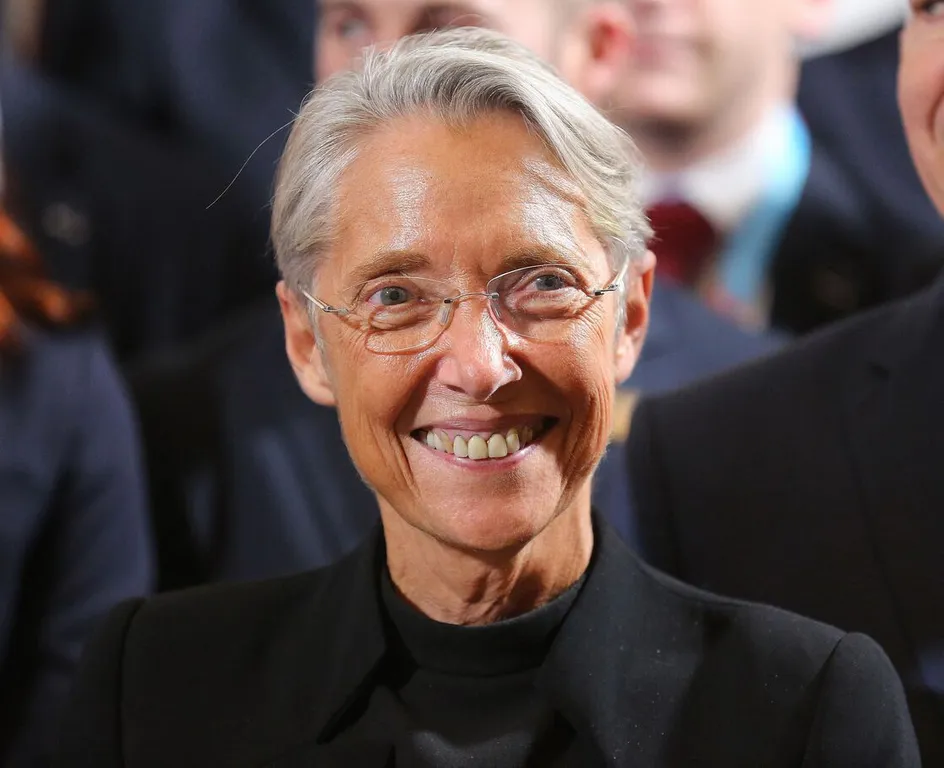
Élisabeth Borne, the current Prime Minister of France, brings a deeply rooted personal history and a commitment to public service to her role in government.
Advertisement
Born in Paris, Borne’s family history is marked by resilience and survival. Her father, Joseph Bornstein, a Holocaust survivor, played a pivotal role in the French Resistance during World War II.
Born in Antwerp, Belgium, Joseph fled to France at the onset of the war and actively fought against the Nazi occupation. In 1943, he was arrested by the Gestapo in Grenoble, deported to Auschwitz, and endured the horrors of the concentration camp. Tragically, Joseph lost his father and younger brother in the gas chambers.
After surviving the Holocaust, Joseph met Marguerite Lescène, Borne’s mother, at the Orsay train station in Paris in April 1945. Marguerite, involved in aiding deportees, brought Joseph and his brother to her hometown in Normandy, where her family played a crucial role in helping them rebuild their lives.
Advertisement
Joseph later became a naturalized French citizen in 1950 and changed the family name to “Borne.” Borne’s mother, Marguerite Lescène, a pharmacist, ran a pharmaceutical laboratory after the war.
Tragically, Borne’s father struggled with trauma and severe depression, leading to his suicide when she was just 11 years old. Following his death, Borne became a recipient of “Ward of the Nation” education benefits, a state provision for minors orphaned due to war or exceptional circumstances.
Despite the profound personal challenges she faced, Élisabeth Borne’s resilience and commitment to public service have defined her trajectory. These early experiences undoubtedly shaped her dedication to issues of national importance and her role as a key figure in French politics.
Leave a Reply