

Tetris, the timeless puzzle game that has captured the hearts of gamers globally, has faced its fair share of bans in certain countries, sparking curiosity among enthusiasts. Despite its seemingly innocent nature, Tetris 99 and its predecessors have been met with regulatory challenges in various regions. In this article, we explore the reasons behind the bans and the controversies that led to Tetris being prohibited in some countries.
Advertisement
Tetris 99: A 2019 Battle Royale Puzzle Experience:
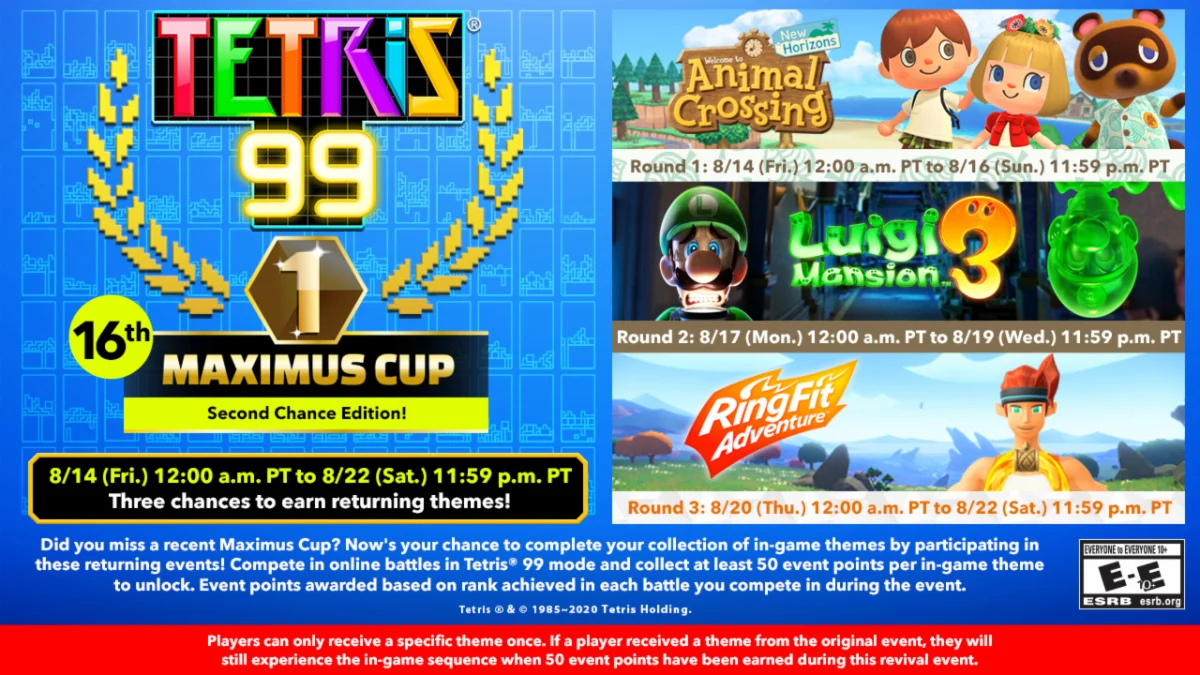
Tetris 99, developed by Arika and published by Nintendo for the Nintendo Switch, brought a new level of excitement to the classic Tetris formula with its battle royale puzzle format. Players engage in real-time online multiplayer, strategically moving and dropping tetrominoes onto the playing board to outlast 98 opponents.
The Ban at the Medical Institute:
One notable instance of Tetris being banned was at the Medical Institute, where a ban was imposed to restore productivity. The addictive nature of Tetris has been known to captivate players for extended periods, potentially impacting their focus on other responsibilities. This ban highlights the game’s ability to draw players into its immersive world, prompting institutions to take action.
Tetris Friends Controversy:
Tetris Friends, an online version developed by Tetris Online, also faced a ban. Reports suggest that the ban was initiated due to information disseminated on social networks and propaganda media. The exact nature of the information and the reasoning behind the ban remain unclear, adding a layer of mystery to Tetris’ troubled history in certain regions.
Advertisement
Ukraine’s Plan to Ban Tetris:
Ukraine reportedly had plans to ban Tetris, with concerns raised about the game’s impact. The ban was linked to the game’s development and dissemination of information through social networks and media outlets. The decision reflected a broader concern about the game’s influence on society, productivity, and potential misinformation.
Copyright Issues and Illegal Copies:
The ban in some countries was not solely about the game’s impact on productivity or society. Tetris faced legal challenges related to copyright issues and allegations of illegal copies. In one instance, Tetris was deemed an illegal copy due to licensing disputes, raising questions about the proper ownership and distribution of the game.
Sexual References and Video Game Laws:
In addition to productivity concerns and copyright disputes, Tetris encountered bans in some countries due to perceived sexual references in the game. Notably, achieving a “Tetris” – clearing four lines simultaneously – led to controversy in regions with strict regulations against content with sexual references. Additionally, laws against video games played a role in the prohibition of Tetris in certain areas.
The ban on Tetris in some countries stems from a variety of reasons, including concerns about productivity, copyright disputes, misinformation, and perceived sexual references. While Tetris continues to captivate gamers worldwide, its journey has been marked by regulatory challenges and bans that highlight the complexities surrounding video game content and its societal impact. Understanding the varied reasons behind these bans sheds light on the intricate relationship between gaming and regulation in different regions.
Leave a Reply