

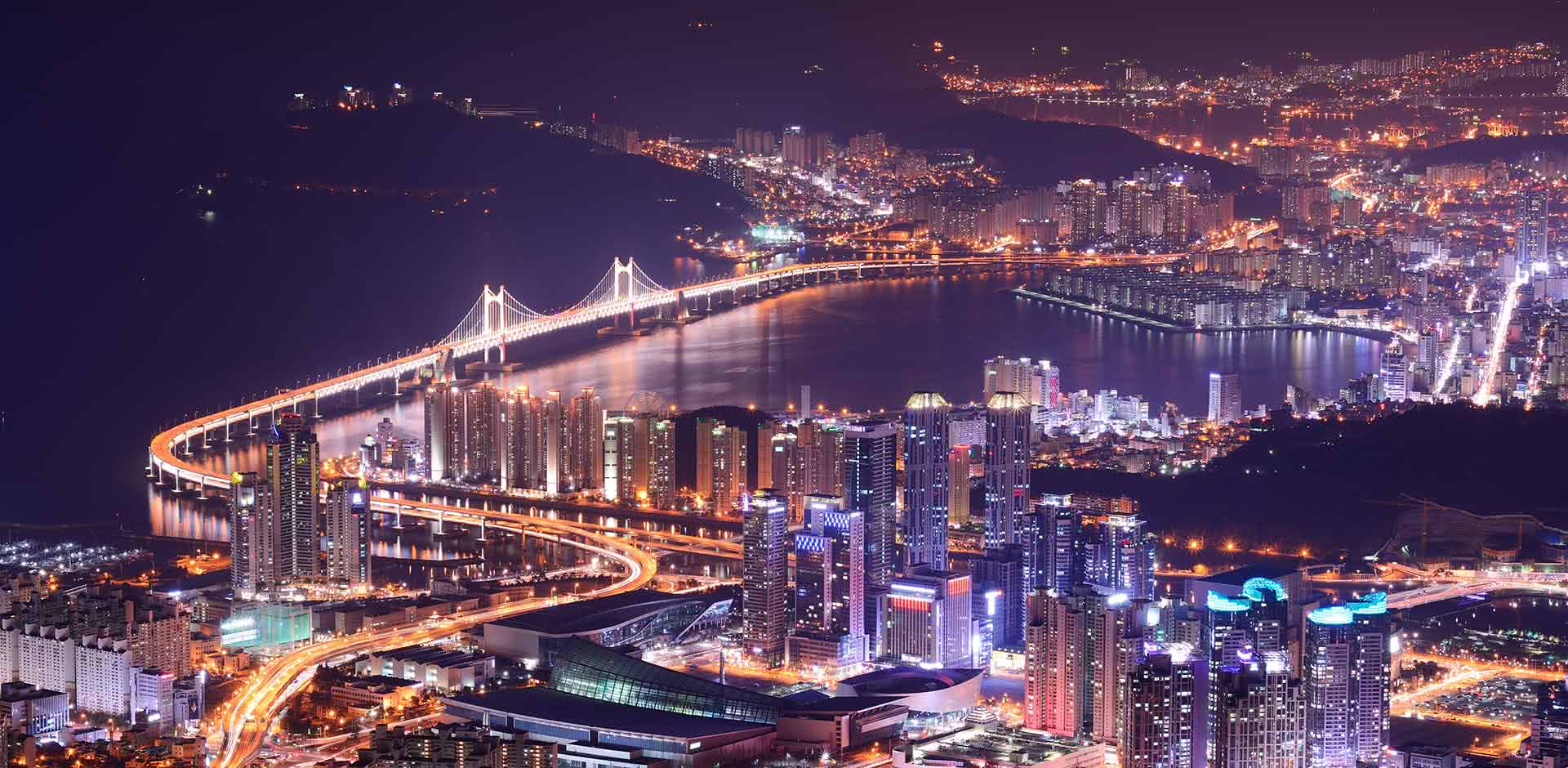
Busan is the second-largest city in South Korea, with a population of about 3.4 million people. It is located on the southeastern tip of the Korean Peninsula, facing the Korea Strait and the Pacific Ocean.
Advertisement
Busan is known for its beautiful beaches, mountains, temples, festivals, and seafood. It is also a major port and industrial hub, as well as a cultural and educational center. Some of the advantages of living in Busan are:
- Safety: Busan is very safe, with a low crime rate and a high safety index. I have never felt threatened or harassed in Busan, even when walking alone at night. The police are helpful and responsive, and there are CCTV cameras everywhere.
- Internet: Busan has fast and reliable internet, with an average speed of 45 Mbps. You can easily find free WiFi in cafes, restaurants, hotels, and public places. There are also many coworking spaces and places to work from in Busan, such as Regus.
- Fun: Busan has a lot of fun stuff to do, both indoors and outdoors. You can enjoy the sun and the sea at the famous Haeundae Beach, or hike up to the scenic Geumjeongsan Mountain. You can also visit the historic Beomeosa Temple, or explore the colorful Gamcheon Culture Village. Busan also hosts many festivals throughout the year, such as the Busan International Film Festival, the Busan Fireworks Festival, and the Busan Sea Festival.
- Climate: Busan has a temperate climate, with four distinct seasons. The summers are hot and humid, but not as oppressive as in Seoul. The winters are cold but not too harsh, with occasional snowfall. The springs and autumns are mild and pleasant, with colorful flowers and foliage. Busan also has a high climate index, which means that it has comfortable weather for most of the year.
- Air quality: Busan has good air quality usually, with an annual average of 59 US AQI. This is much better than Seoul, which has an annual average of 93 US AQI. Busan is less affected by the yellow dust and smog that often plague other parts of Korea and China.
- Business: Busan is very easy to do business in, with a high purchasing power index and a high-income level. Busan is also a major trade and logistics hub, with the fifth largest port in the world. There are many opportunities for entrepreneurs and investors in Busan, especially in sectors such as tourism, biotechnology, IT, and renewable energy.

Some of the disadvantages of living in Busan are:
Advertisement
- Language: Busan people don’t speak English well, and most signs and menus are only in Korean. You will need to learn some basic Korean to get by in Busan or use a translation app. There are also some dialectal differences between Busan Korean and standard Korean, which can make communication more challenging.
- Friendliness: Busan people are not very friendly to foreigners, or even to other Koreans from different regions. They tend to be reserved, conservative, and proud of their local culture. It can be hard to make friends or socialize in Busan, especially if you don’t speak Korean or share their interests.
- Family: Busan is not very family-friendly, as there are not many facilities or activities for children or elderly people. The cost of living for a family is also high, especially for housing and education. The quality of life index for a family is only okay, which means that some aspects could be improved.
- LGBTQ+: Busan is hostile towards LGBTQ+ people, as there is a lot of discrimination and prejudice against them. There are no legal protections or recognition for same-sex couples or transgender people in Korea. There are also few LGBTQ+-friendly spaces or events in Busan, except for some underground bars or clubs.
- Winter: Busan gets cold in the winter, with an average temperature of 8°C (47°F) in December. The humidity also drops significantly, which can make the air feel dry and harsh on your skin. You will need to wear warm clothes and use heating devices in your home or office.
Leave a Reply