

Kwanzaa is a cultural holiday that celebrates African family and social values. It was created in 1966 by Maulana Karenga, a professor of Africana studies and a Black nationalist. The name Kwanzaa comes from the Swahili phrase “matunda ya kwanza”, which means “first fruits”.
Advertisement
Karenga added an extra “a” to the word to make it seven letters long, one for each of the seven children who participated in the first Kwanzaa celebration. Kwanzaa is not a religious holiday, so people of any faith can observe it.
Advertisement
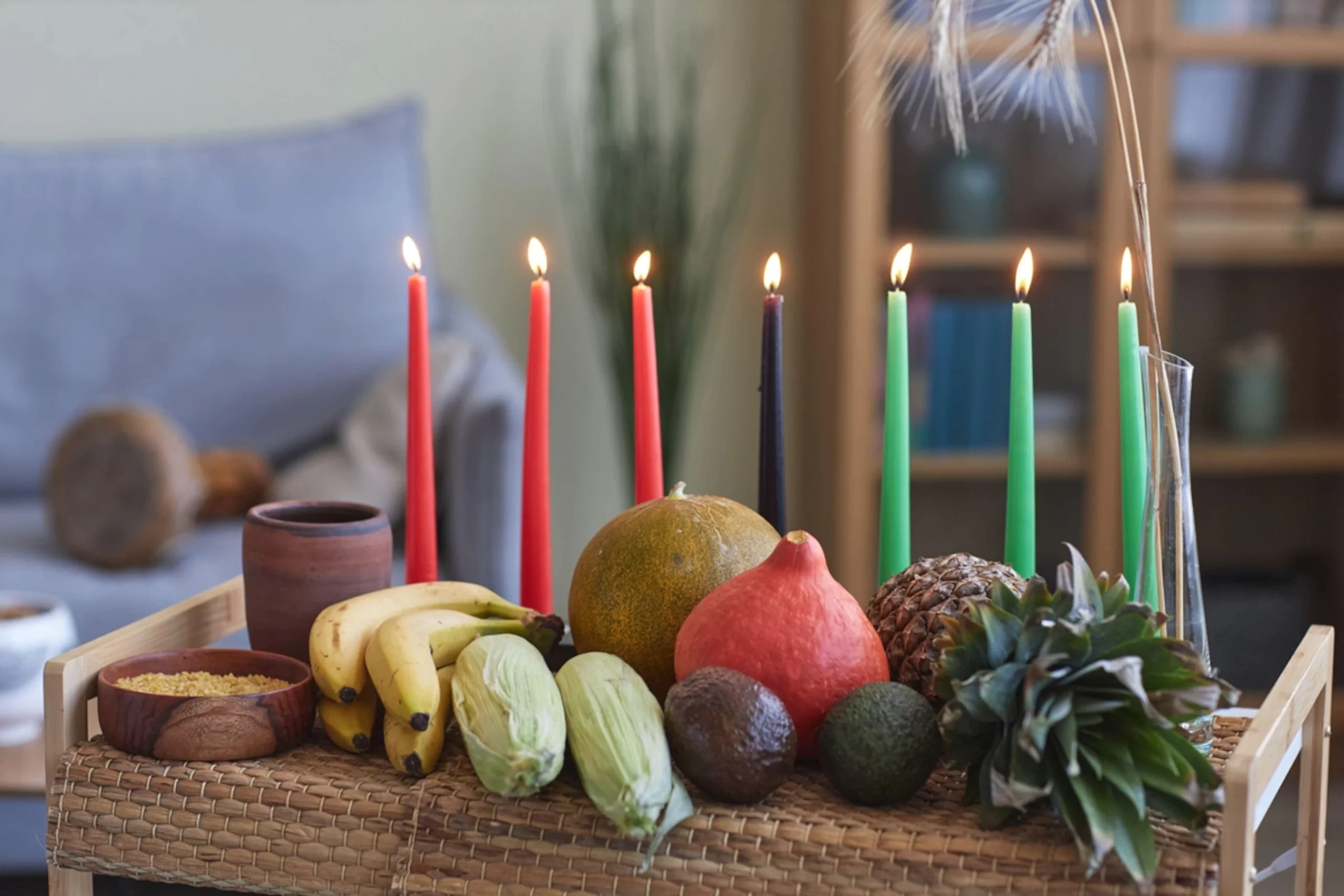
Many Catholics, as well as Muslims, Christians, Jews, Buddhists, and others, celebrate both Kwanzaa and their religious holidays. Kwanzaa lasts from December 26 to January 1, and each day is dedicated to one of the seven principles of Kwanzaa: unity, self-determination, collective responsibility, cooperative economics, purpose, creativity, and faith.
There are also seven symbols of Kwanzaa: crops, mat, candleholder, corn, gifts, unity cup, and seven candles in red, green, and black. On December 31, there is a community feast called the karamu.
Leave a Reply