
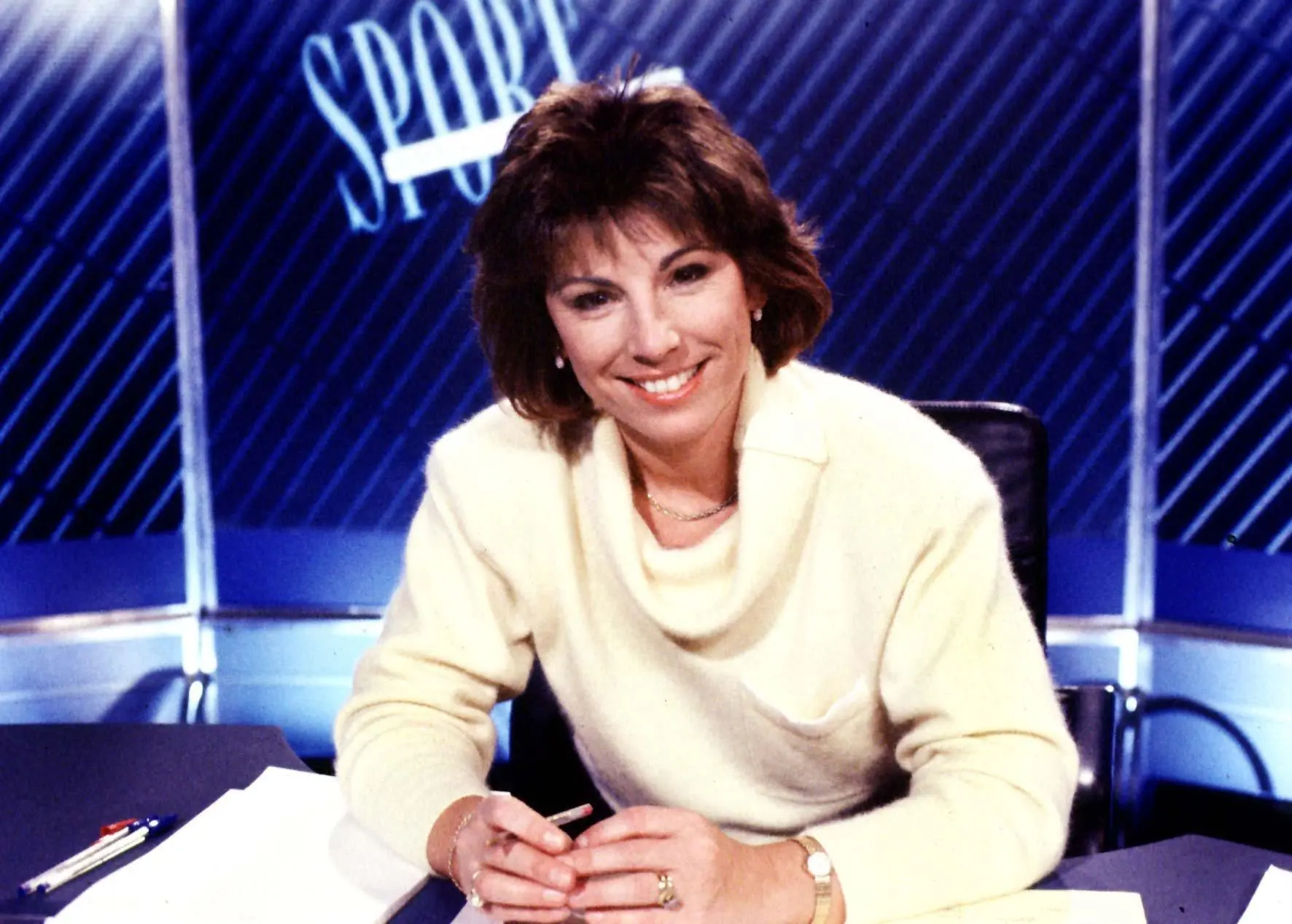
In 1996, while on an eight-week assignment covering the Olympic and Paralympic Games in the United States, Rollason began experiencing health issues. The subsequent diagnosis in August 1997 delivered a devastating blow—colon cancer that had spread to her liver. Medical experts initially offered a grim prognosis, giving her just three months to live. However, Helen Rollason defied these expectations, embarking on a journey that showcased not only her resilience but also her determination to continue doing what she loved—sports broadcasting.
Advertisement
Undeterred by the severity of her condition, Rollason opted for a multifaceted approach to her treatment. While undergoing chemotherapy sessions that left her weakened, she complemented traditional medical interventions with holistic therapies and dietary changes. Her tenacity to continue working throughout her illness, despite the challenges posed by chemotherapy, attested to her unwavering love for her craft. In her own words, “I stay working because I love it, and because I feel best on the days when I’m busy.”

Image Credit: The Sun
Rollason’s work extended beyond the television screen; she wrote a weekly column about her battle with illness for the Sunday Mirror Magazine and worked on a book aimed at helping others facing a similar diagnosis. Her strength of mind to fight the illness, she credited to the determination of the disabled athletes she had encountered throughout her career.
Advertisement
In October 1998, the BBC aired a special edition of the QED documentary series titled “Hope for Helen.” This intimate portrayal of her treatment journey garnered immense public support, highlighting her courage and determination. Despite her initial mixed feelings about colleagues paying tribute to her during the BBC’s Sports Review of the Year in December 1998, it demonstrated the profound impact she had on those around her.
Rollason continued her work at the BBC, presenting sports bulletins for BBC News and contributing to the Six O’Clock News bulletin, where she provided in-depth sports previews. Her final onscreen appearance was on 18 June 1999, showcasing her dedication to her craft until the very end.
Her remarkable contributions were recognized with an MBE in the 1999 Birthday Honours, a poignant acknowledgment of her services to broadcasting and charities. Reflecting on this honor, she expressed both humility and joy: “I cried when I received the news. I don’t feel I deserve it, but I’m very thrilled that so many women are coming through in sports broadcasting now.”
Amidst her health struggles, Rollason’s commitment to charity work remained unwavering. She played a pivotal role in raising £5 million for a cancer wing at North Middlesex Hospital, a testament to her desire to make a lasting impact beyond her professional achievements.
Leave a Reply