
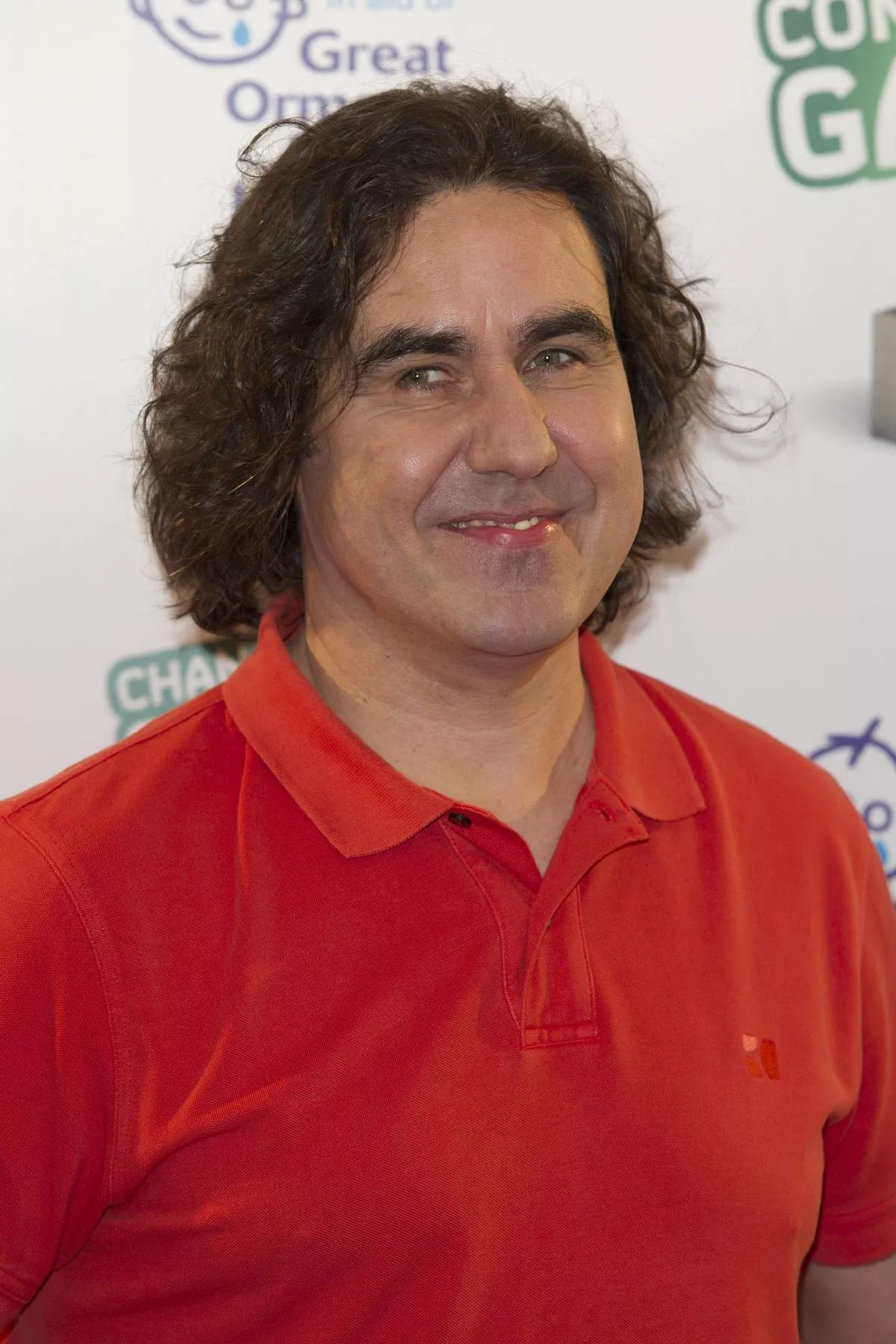
Micky Flanagan, the renowned English comedian, brings humor to the stage with a background shaped by his East London roots and a journey that traverses various experiences. Born in Whitechapel and raised in Bethnal Green, Flanagan’s upbringing was influenced by his parents, Jim Flanagan and Sylvie Flanagan.
Advertisement
Jim Flanagan, Micky’s father, played a significant role in shaping his early life. Working as a welder and later as a fish porter, Jim hailed from County Donegal in Ulster, Ireland.
Despite being involved in petty crime, including a brief prison stint, Jim’s influence on Micky’s life was profound. Micky’s upbringing in the East End of London, an area known for its vibrant yet challenging environment, shaped his perspective.
As a sensitive and thoughtful child, Micky Flanagan expressed a desire to escape the East End from an early age. At thirteen, he joined the Young Socialists, showcasing an early interest in societal issues. However, Micky’s academic journey took a different turn as he became disengaged with schoolwork, eventually leaving at fifteen without formal qualifications.
Advertisement
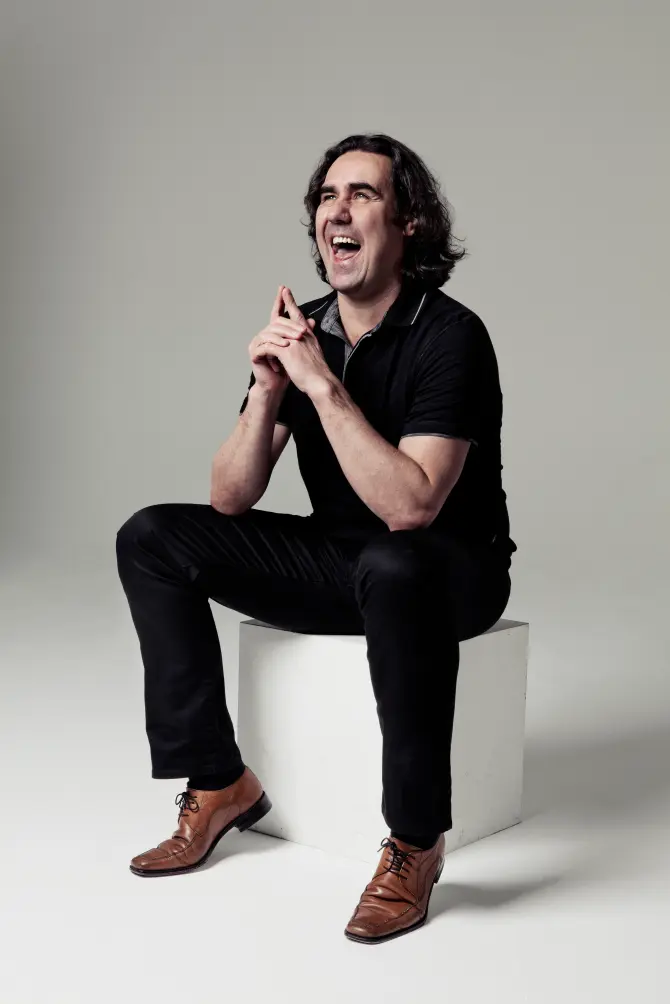
Micky’s professional journey began with a job at Billingsgate Fish Market, where his father’s influence played a role. Despite the well-paid nature of the work, Micky found himself disinterested. A stint in New York, working as a kitchen porter on Fire Island in 1981, provided a change of scenery.
After working as a furniture maker and experiencing business challenges, Micky Flanagan decided to pursue education again at the age of 25. Returning to London, he earned his GCSE in English and proceeded to complete a foundation course in Arts and Social Sciences, followed by a degree at City University.
Micky Flanagan’s path led him to train as a teacher with the Postgraduate Certificate in Education. However, he opted not to pursue teaching as a career, describing it as “the unhappiest year of my life.” Despite this, his diverse experiences and resilience became crucial elements of the comedic repertoire that would define his later performances.
Leave a Reply