

Buprenorphine, a versatile opioid medication, has become a crucial tool in the medical landscape for managing opioid use disorder, acute pain, and chronic pain. Amidst its varied applications, concerns have been raised regarding its potential impact on the immune system. In this article, we aim to shed light on the relationship between buprenorphine and the immune system, separating factual information from misconceptions.
Advertisement
Buprenorphine’s Role in Medical Treatment:
Before delving into the potential effects on the immune system, it’s essential to recognize the diverse ways in which buprenorphine is utilized in medical practice. From treating opioid use disorder to addressing acute and chronic pain, this opioid has demonstrated efficacy in various scenarios. Its administration methods, including under the tongue, in the cheek, injection, skin patch, or implant, underscore its adaptability to different patient needs.
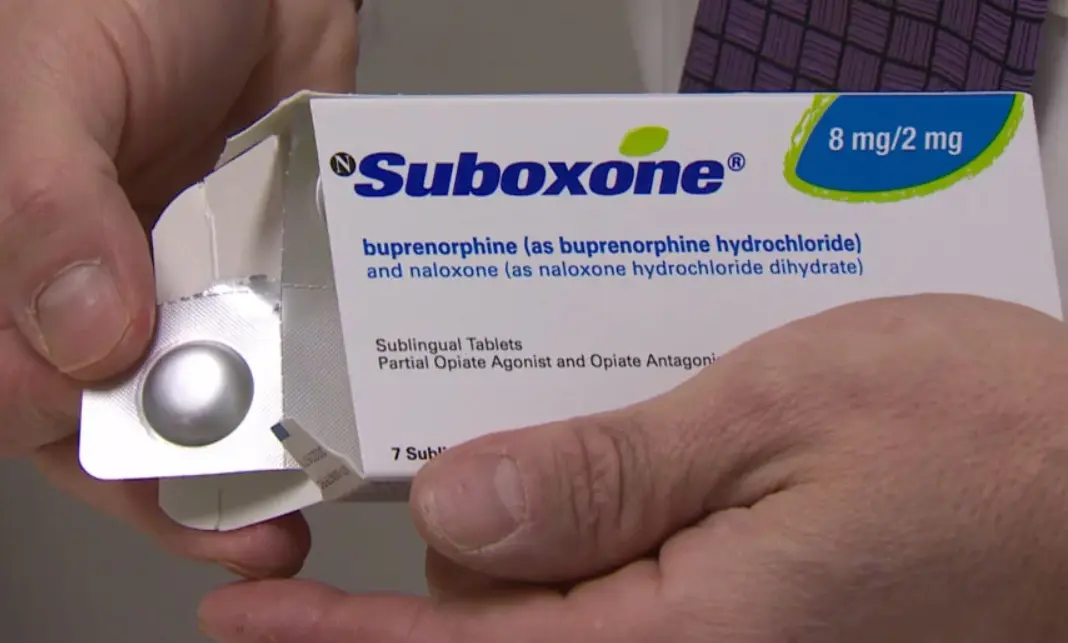
Buprenorphine and the Immune System:
A common concern pertains to the impact of buprenorphine on the immune system. It is crucial to note that buprenorphine, despite being a potent opioid, has been studied in the context of immune responses. In a study involving rats, acute intracerebroventricular administration of buprenorphine did not show a significant effect on cellular immune responses. This stands in contrast to morphine, another opioid, which exhibited a statistically significant inhibition of the immune response.
Advertisement
Clinical Application and Considerations:
While the rat study provides valuable insights, it’s essential to interpret these findings in the context of clinical application. Buprenorphine is often prescribed for chronic pain, and its use in humans may have different implications than observed in animal models. Moreover, individual responses can vary, necessitating a personalized approach to medical treatment.
Balancing Pain Management and Immune Function:
The relationship between opioids and the immune system is a complex interplay. Opioids, in general, have been associated with immunosuppressive effects, but the extent and clinical significance vary. It is crucial for healthcare professionals and patients to engage in open communication regarding potential concerns. The benefits of effective pain management must be weighed against the potential impact on immune function, and decisions should be made collaboratively.
As research continues to unfold, the nuanced relationship between buprenorphine and the immune system becomes clearer. The available evidence suggests that acute administration of buprenorphine in rats did not significantly impact cellular immune responses. However, the translation of these findings to human clinical scenarios requires careful consideration. Ultimately, an informed and collaborative approach between healthcare providers and patients is paramount in optimizing pain management while safeguarding overall health.
Leave a Reply