

Buprenorphine, a pivotal medication in the treatment of opioid use disorder and chronic pain, offers diverse administration methods, each with unique characteristics. In this article, we explore the duration of buprenorphine in the bloodstream and the rapid onset of action, shedding light on the intricacies of this valuable opioid.
Advertisement
How Long Does Buprenorphine Stay in Your Bloodstream?
Understanding the duration of buprenorphine’s presence in the bloodstream is crucial for both patients and healthcare providers. When a significant amount of buprenorphine is taken, the medication produces results for approximately 24 to 60 hours. This extended duration is beneficial for managing opioid withdrawal symptoms and maintaining stable treatment.
Moreover, buprenorphine can be detected in drug tests for about 7 to 10 days after ingestion. This extended detection window highlights the importance of transparency between patients and healthcare providers to ensure accurate assessments during medical screenings.
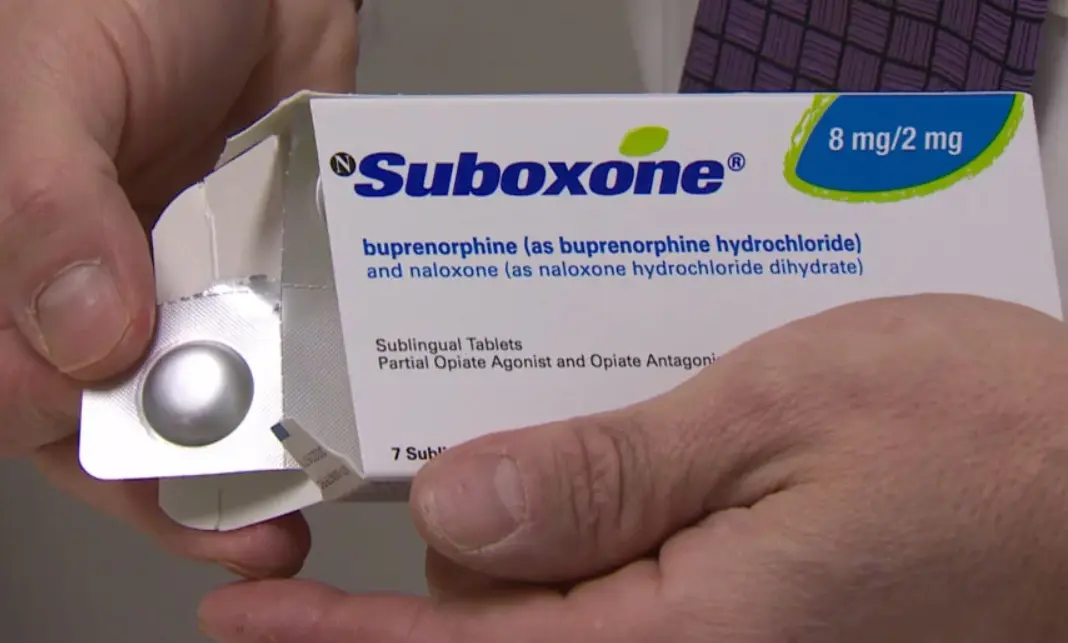
Rapid Onset of Action: When Does Buprenorphine Begin Working?
Buprenorphine is recognized for its swift onset of action, providing prompt relief for individuals grappling with opioid dependence or chronic pain. The speed at which it works varies depending on the form of administration:
Advertisement
- Sublingual Tablets:
When taken under the tongue, buprenorphine tablets exhibit a rapid onset of action. Within 1 to 2 hours, patients typically experience the therapeutic effects of the medication. This efficient absorption contributes to the swift relief from opioid withdrawal symptoms.
- Buprenorphine Patches:
Buprenorphine patches, an alternative administration method, have a slightly delayed onset compared to sublingual tablets. It may take up to a day or two for the patches to begin working. However, the advantage lies in their prolonged effectiveness, offering sustained relief over an extended period.
- Injection and Implant:
In hospital settings, buprenorphine can be administered via injection, ensuring rapid delivery of the medication. Implants, another form of long-term administration, provide a sustained release over an extended duration.
Considerations for Effective Buprenorphine Therapy:
- Individualized Treatment Plans:
Healthcare providers play a crucial role in tailoring individualized treatment plans based on the patient’s specific needs. Factors such as medical history, severity of opioid use disorder, and pain management requirements influence the choice of the buprenorphine administration method.
- Open Communication:
Open communication between patients and healthcare providers is essential for successful buprenorphine therapy. Patients should report any concerns or side effects promptly, allowing adjustments to be made to optimize treatment.
- Monitoring and Follow-up:
Regular monitoring and follow-up appointments are integral components of buprenorphine therapy. This ensures that patients receive ongoing support and that any necessary adjustments to the treatment plan can be made.
Buprenorphine’s duration in the bloodstream and rapid onset of action make it a versatile and effective medication for managing opioid use disorder and chronic pain. By understanding the nuances of buprenorphine therapy, patients and healthcare providers can collaborate to achieve optimal outcomes, fostering a path to recovery and improved quality of life.
Leave a Reply