
In the vast landscape of television series, where creativity often takes a back seat to convention, Peacock’s Mrs. Davis emerges as a wild and uniquely unconventional outlier. The show, known for its gonzo-bonkers-wild-unique nature, has captivated audiences with a bizarre smorgasbord of themes and plots that seem like the result of a computer algorithm generating random TV concepts and weaving them into a series. As the finale of Mrs. Davis approaches, it’s worth exploring the minds behind this peculiar creation and the unintentional timeliness of its release amid ongoing debates about the potential role of artificial intelligence in scripting and replacing TV writers in the future.
Advertisement

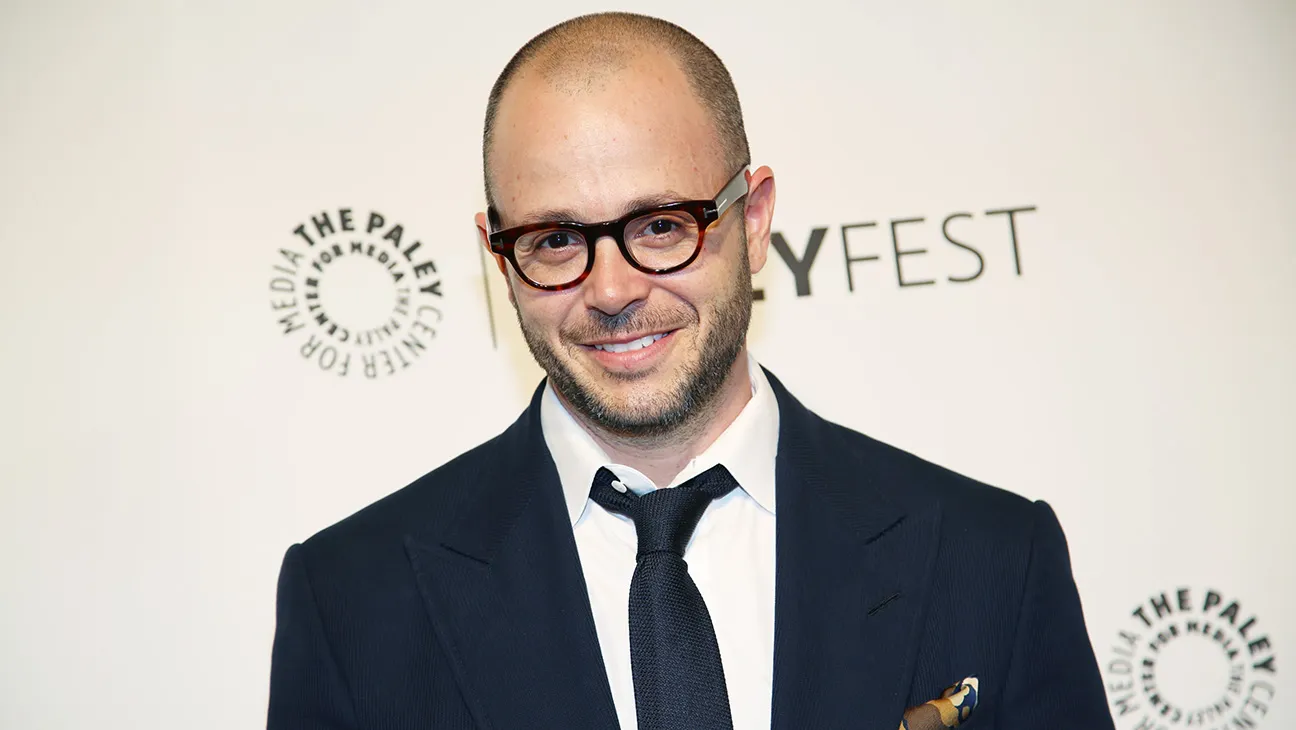
Damon Lindelof and Tara Hernandez, the twisted masterminds behind Mrs. Davis, joined forces to bring this unconventional series to life. Lindelof, known for his work on groundbreaking shows like Lost and Watchmen, and Hernandez, a creative force in her own right, have collaborated to birth a show that defies traditional norms. Mrs. Davis is not just a television series; it’s an experiment, a gamble, and a celebration of the unexpected.
Describing the creative process behind Mrs. Davis, Hernandez draws a vivid analogy, likening it to a game of “pass the blunt” or a collaborative writing exercise where each participant adds their unique twist to the narrative. “I’m gonna write a page, and then you’re gonna write a page,” she explains. The result? A narrative that keeps the audience guessing and engaged, akin to the unexpected turn of events in a game where someone throws in a curveball, leaving the rest to figure out the resolution. As she humorously puts it, “Who added the Nazis? Who the heck did that? Now I have to solve for these guys?”
Advertisement
Lindelof, not one to shy away from bold metaphors, likens the show to “a buffet on a cruise ship.” The analogy paints a picture of abundance and variety, with Mrs. Davis offering viewers a diverse range of themes, much like the options one might find at a cruise ship’s buffet. “There’s just everything that you could possibly want. Like, do you want waffles? Do you want the omelet station? How about some sushi?” Lindelof’s metaphor captures the essence of Mrs. Davis—an eclectic mix of storytelling elements that caters to a wide audience with varying tastes.
Beyond its quirkiness and unpredictability, Mrs. Davis also finds itself unintentionally at the center of a larger conversation about the potential impact of artificial intelligence on the creative process. As AI continues to advance, questions arise about its role in generating content, potentially replacing human writers. The release of Mrs. Davis amidst this discourse adds an extra layer of intrigue to the series, as if the creators are challenging the very notion of what it means to craft a television show.
In a world where conformity often reigns supreme, Mrs. Davis stands as a testament to the power of unbridled creativity. Lindelof and Hernandez have dared to venture into the unknown, creating a series that defies expectations, challenges conventions, and keeps audiences on the edge of their seats. As the series concludes, one can only wonder what other unexpected twists and turns Mrs. Davis has in store, leaving viewers eagerly anticipating the next unconventional masterpiece from these twisted minds.
Leave a Reply