
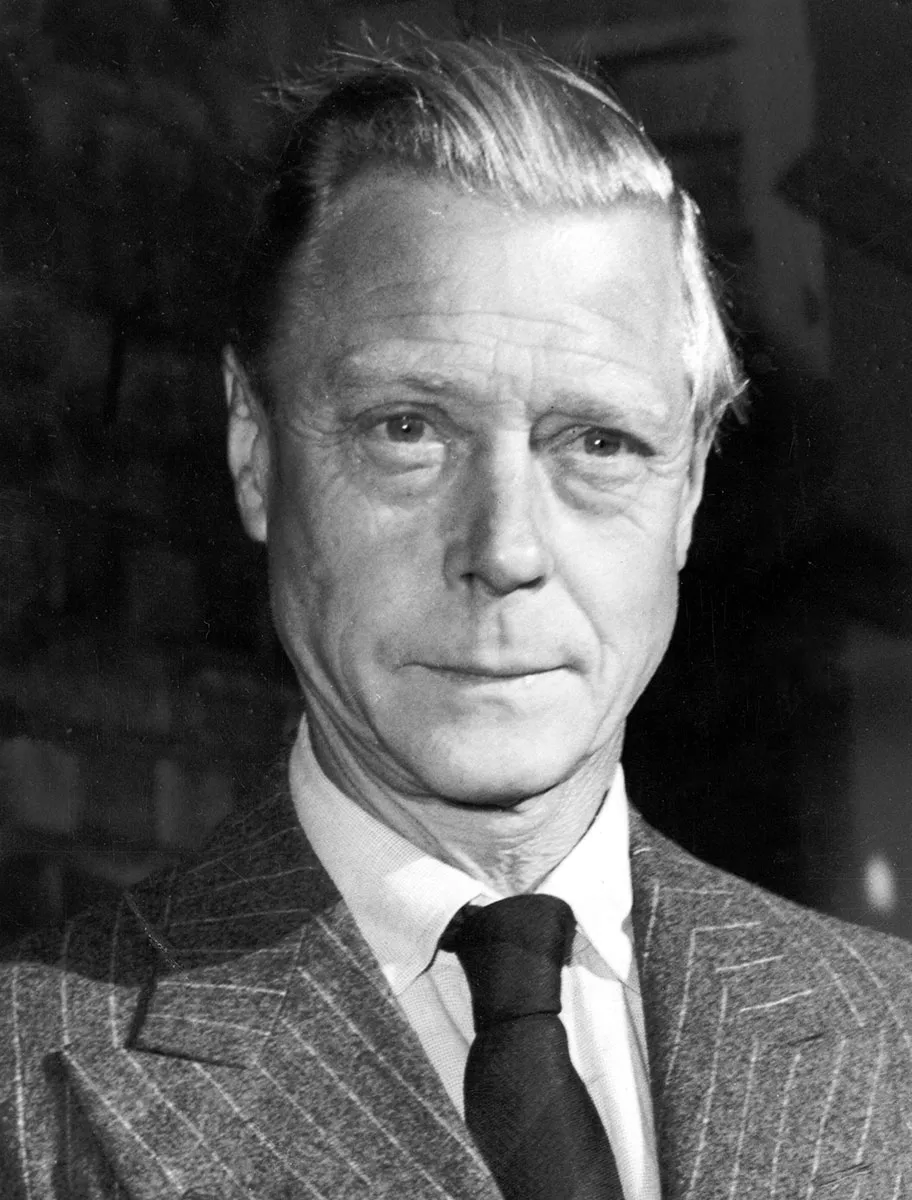
George VI: The Successor to Edward VIII
The abdication of Edward VIII in December 1936 sent shockwaves through the British monarchy, paving the way for the unexpected rise of George VI to the throne.
Advertisement
The Abdication Crisis
Edward VIII’s decision to relinquish the throne for love left a void in the royal lineage. The abdication crisis gripped the nation, and the search for a new sovereign began.
Albert Becomes George VI
Albert, Duke of York, assumed the throne as George VI on December 11, 1936, following his brother’s abdication.
Born Albert Frederick Arthur George Windsor on December 14, 1895, at Sandringham House in Norfolk, England, George VI inherited a kingdom in the midst of significant social and political changes.
Early Life and Family
George VI was the second son of King George V and Queen Mary.
In 1923, he married Lady Elizabeth Bowes-Lyon, known as the Queen Mother, and they had two daughters: Elizabeth (who would later become Queen Elizabeth II) and Princess Margaret.
Advertisement
Overcoming Challenges

George VI faced personal challenges, including a stutter that impeded his public speaking. His struggle with this impediment was vividly portrayed in the 2010 movie “The King’s Speech,” highlighting his determination to overcome adversity.
World War II and Leadership
During World War II (1939–1945), George VI emerged as a symbol of courage and strength. He remained at Buckingham Palace during the intense Blitz, standing as a beacon of resilience for the British people.
Global Presence
King George VI expanded the monarchy’s global reach, paying state visits to France, Canada, and the United States. In 1947, he embarked on a significant tour of South Africa with Queen Elizabeth and their daughters.
End of an Era
As India and Pakistan gained independence in 1947, George VI ceased to be Emperor of India. His health deteriorated from 1948 onward, leading to his passing on February 6, 1952, at the age of 56.
Legacy and Contributions
George VI’s reign was marked by his dedication to duty, resilience in the face of adversity, and close collaboration with wartime Prime Minister Winston Churchill.
His impact resonates through the pages of history, symbolizing an era of transformation and global challenges.
Leave a Reply