

In the annals of history, certain partnerships emerge as iconic symbols of revolutionary zeal, reshaping nations and challenging the status quo. One such dynamic duo that left an indelible mark on the pages of history is Fidel Castro and Ernesto “Che” Guevara. In this article, we explore the intricate relationship between these two revolutionaries and delve into the role Che Guevara played in the life and leadership of Fidel Castro.
Advertisement
The Early Days of the Revolution
Fidel Alejandro Castro Ruz, born on August 13, 1926, in Biran, Cuba, led the Cuban Revolution of 1959, toppling the regime of Fulgencio Batista and establishing himself as the leader of Cuba for almost five decades. Amidst the tumultuous events of the revolution, another charismatic figure emerged—Ernesto “Che” Guevara de la Serna. The Argentine physician turned Marxist revolutionary quickly became a central figure in the revolutionary struggle alongside Castro.
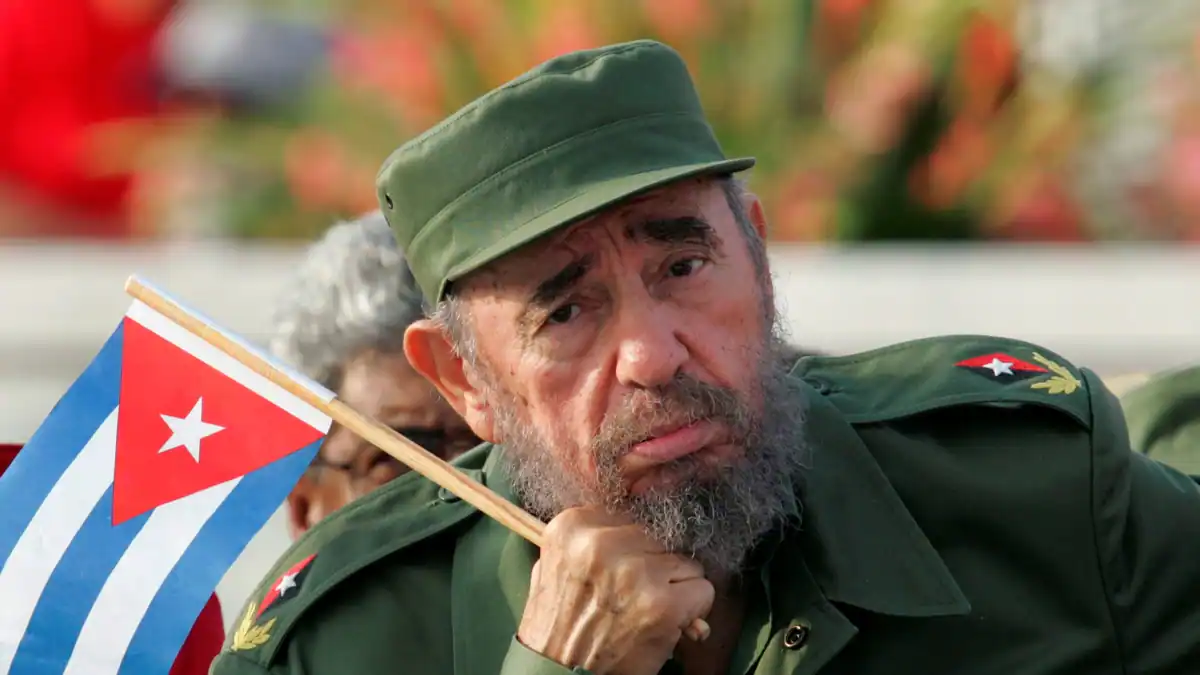
Comrades in Arms
Che Guevara’s connection to Fidel Castro was more than just political; it was forged on the battlefield. Guevara joined Castro’s revolutionary forces in 1956, during their expedition to overthrow Batista’s regime. Despite initial setbacks, including being captured and later released, their camaraderie grew stronger as they faced adversity together. Che’s commitment to the cause and unwavering loyalty to Fidel marked the beginning of a historic partnership.
Advertisement
Strategic Mind and Ideological Unity
Che Guevara, often referred to as Fidel Castro’s “comandante,” served as the second in command of the Cuban revolutionary forces. Beyond the battlefield, Che played a crucial role in shaping the ideological direction of the revolution. A staunch Marxist and anti-imperialist, Guevara advocated for a radical transformation of Cuban society and its alignment with socialist principles.
Che’s Influence on Cuban Policies
As Fidel Castro assumed leadership roles, Che Guevara became the face of Cuba’s revolutionary zeal on the international stage. His influence extended beyond military strategy, encompassing economic policies and diplomatic endeavors. Guevara’s vision for a classless society and his advocacy for socialism influenced key decisions in Cuba, including land reforms and nationalization of industries.
The Cuban Missile Crisis and Beyond
During the Cuban Missile Crisis of 1962, Fidel Castro and Che Guevara faced a moment of intense global scrutiny. Guevara’s unwavering support for the Soviet Union’s placement of missiles in Cuba mirrored Castro’s stance, leading to a tense standoff with the United States. Despite the risks, their unity in the face of external pressure became a defining moment in their partnership.
Legacy and Beyond
Che Guevara’s life was tragically cut short in 1967 during a failed revolutionary attempt in Bolivia. His death marked the end of an era, but the legacy of his partnership with Fidel Castro endured. The image of Che Guevara became an international symbol of rebellion and anti-imperialism, while Fidel continued to lead Cuba until his retirement in 2008.
The relationship between Fidel Castro and Che Guevara was a symbiotic union forged in the crucible of revolution. Their shared vision, strategic collaboration, and unwavering camaraderie defined an era that shaped the destiny of Cuba. As we reflect on the intertwined lives of these two revolutionaries, their legacy serves as a testament to the enduring power of partnerships in the pursuit of radical change.
Leave a Reply