

Fidel Alejandro Castro Ruz, the enigmatic Cuban revolutionary and politician, held the reins of power in Cuba for nearly five decades. Serving as the prime minister from 1959 to 1976 and as president from 1976 to 2008, Castro’s presidency was marked by both praise and criticism. In this article, we delve into the question: Was Fidel Castro a good president? Assessing his legacy requires a nuanced exploration of his political journey and the impact of his leadership.
Advertisement
The Longest-Serving Leader
Fidel Castro’s tenure as the leader of Cuba was indeed extraordinary. From December 2, 1976, when he assumed the presidency, until February 24, 2008, when he officially stepped down, Castro became the longest-serving non-royal head of state in the 20th and 21st centuries. This longevity allowed him to leave an indelible mark on the nation, both domestically and internationally.
Champion of Socialism and Anti-Imperialism
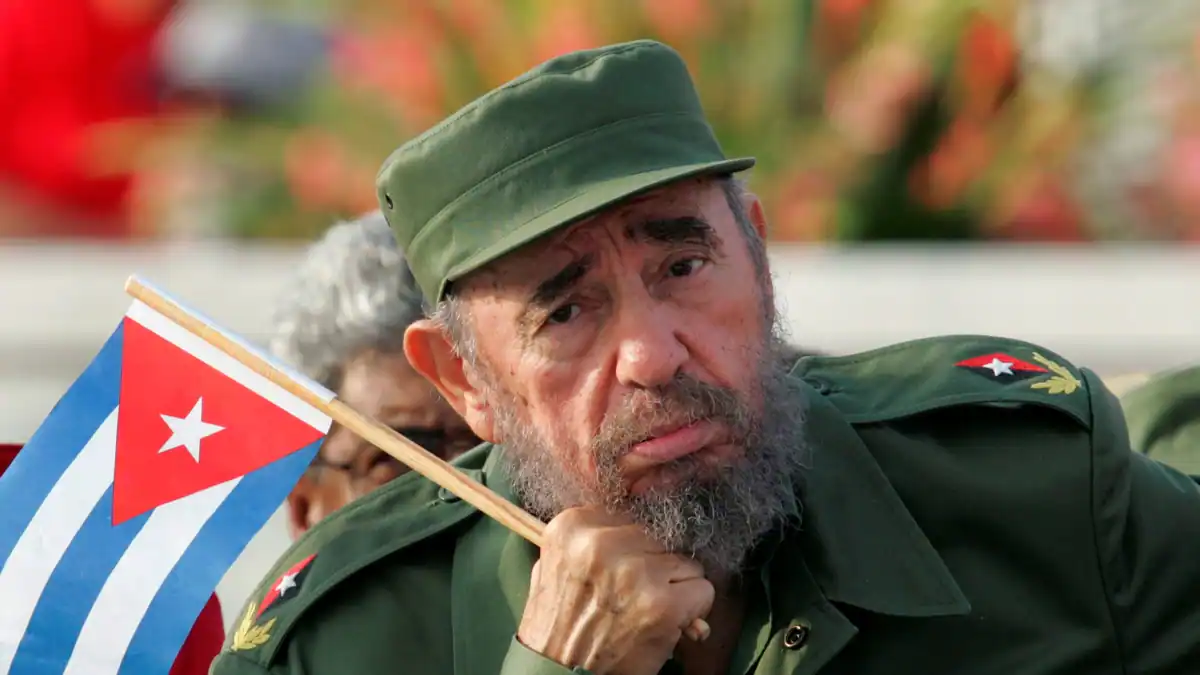
Castro’s supporters hail him as a champion of socialism and anti-imperialism. His revolutionary government, established after the success of the Cuban Revolution in 1959, aimed to dismantle the vestiges of capitalism and build a socialist society. Under his leadership, Cuba implemented land reforms, nationalized industries, and pursued policies aimed at reducing social and economic inequalities.
Advertisement
Securing Cuba’s Independence
Another aspect of Castro’s legacy is his role in securing Cuba’s independence from what was perceived as American hegemony. The Cuban Revolution of 1959 marked a turning point in the nation’s history, challenging the influence of external powers and asserting Cuba’s sovereignty. Castro’s resistance to perceived imperialist forces, particularly from the United States, resonated with many in the global South who sought to break free from neocolonial constraints.
The Critics’ Perspective
While Castro’s supporters applaud his commitment to socialist principles and independence, critics argue that his presidency was marred by authoritarianism, suppression of dissent, and human rights abuses. The one-party system, limitations on free speech, and a lack of political pluralism have been focal points of criticism against Castro’s rule. The suppression of political opposition and restrictions on individual freedoms remain contentious issues in assessing his presidency.
The Enduring Legacy
Fidel Castro’s presidency left an enduring legacy that continues to shape Cuba’s trajectory. His commitment to social justice, economic equality, and anti-imperialism resonates with those who view him as a symbol of resistance against global power dynamics. Simultaneously, the controversies surrounding his leadership style and human rights record prompt critical examination.
Was Fidel Castro a good president? The answer depends on one’s perspective and values. For some, he was a visionary leader who fought for social justice and independence, while for others, his rule represents an era of authoritarianism and political repression. As history unfolds, the complex legacy of Fidel Castro will undoubtedly be the subject of ongoing debate and analysis, reflecting the multifaceted nature of his impact on Cuba and the world.
Leave a Reply