

Fidel Alejandro Castro Ruz, the indomitable Cuban revolutionary and political leader, is synonymous with the Cuban Revolution that unfolded between July 26, 1953, and January 1, 1959. This pivotal period in Cuban history saw the emergence of Fidel Castro as a charismatic and determined leader, ultimately leading to the overthrow of the government of Fulgencio Batista. In this article, we delve into the historical context of the Cuban Revolution and clarify the misconception surrounding the notion that Fidel Castro started a war.
Advertisement
The Cuban Revolution Unveiled
The Cuban Revolution, a transformative event that spanned over five years from July 26, 1953, to January 1, 1959, was not a war initiated by Fidel Castro but rather a movement born out of widespread discontent and opposition to the rule of Fulgencio Batista. The revolution encompassed a series of events, from the failed attack on the Moncada Barracks on July 26, 1953, to the eventual triumph of the 26th of July Movement led by Fidel Castro.
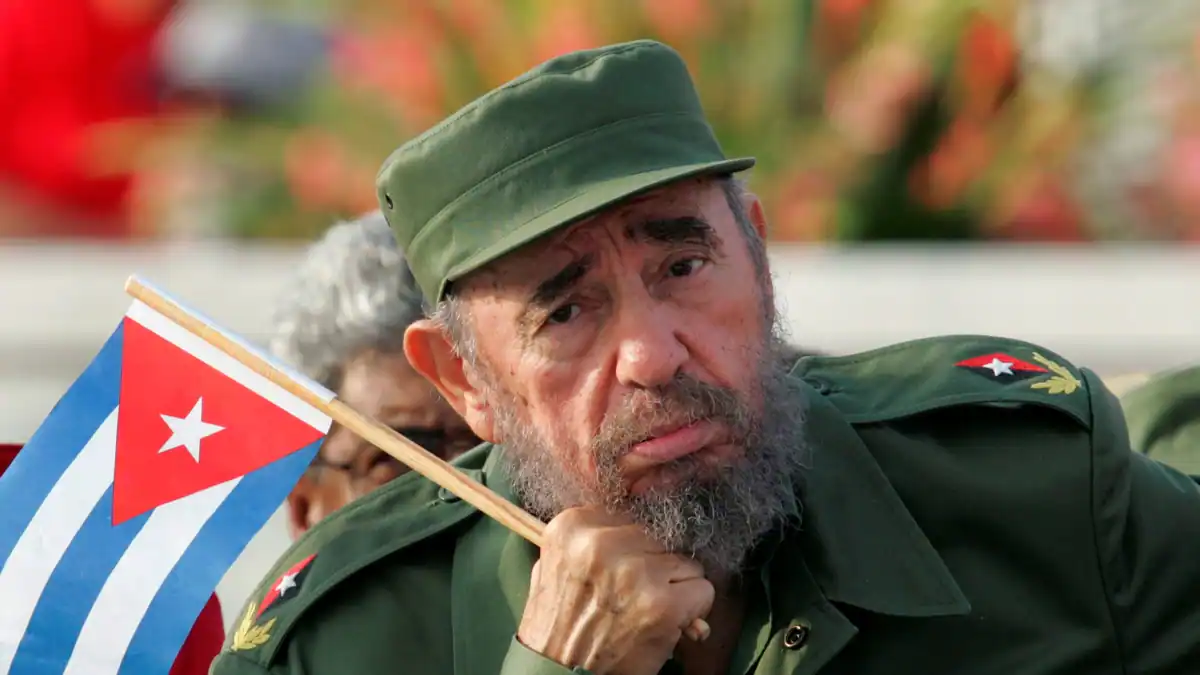
Fidel Castro’s Role in the Revolution
Fidel Castro, born on August 13, 1926, in Biran, Cuba, emerged as a central figure in the Cuban Revolution. The movement, named after the date of the Moncada Barracks attack, gained momentum as it drew support from various sectors of Cuban society. Castro’s leadership, combined with the revolutionary fervor of the 26th of July Movement, eventually led to the overthrow of Fulgencio Batista’s government on January 1, 1959.
Advertisement
The Outcomes of the Cuban Revolution
The Cuban Revolution yielded significant outcomes, including the establishment of a government led by Fidel Castro. This marked the beginning of Castro’s extensive political career, serving as the prime minister of Cuba from 1959 to 1976 and as president from 1976 to 2008. The revolution also quelled the Escambray rebellion, a counter-revolutionary movement that emerged in the central region of Cuba in opposition to Castro’s government.
Clarifying Misconceptions
It is important to clarify that Fidel Castro did not start a war in the traditional sense. The Cuban Revolution was a multifaceted movement driven by a desire for social and political change, with armed confrontations and uprisings being part of the broader struggle against Batista’s regime. Fidel Castro’s role was central to the movement’s success, but characterizing it as a war initiated by him oversimplifies the complex dynamics of the revolution.
Fidel Castro’s legacy is indelibly tied to the Cuban Revolution, a transformative period in Cuban history that saw the overthrow of Fulgencio Batista’s government and the establishment of a new political order. While Fidel Castro played a pivotal role in leading the 26th of July Movement, it is essential to understand the nuanced nature of the revolution and the collective efforts that shaped its course. As we reflect on this historical chapter, a comprehensive understanding of the Cuban Revolution ensures a more accurate portrayal of Fidel Castro’s role in the events that unfolded between 1953 and 1959.
Leave a Reply