

Fidel Alejandro Castro Ruz, the charismatic Cuban revolutionary and political leader, left an indelible mark on history during his nearly five-decade-long tenure as the leader of Cuba. Beyond the confines of Cuba, Castro engaged in diplomatic ventures that would shape the geopolitical landscape of the Cold War era. In this article, we delve into Fidel Castro’s significant visit to Moscow, a crucial chapter in the Cuban leader’s international relations.
Advertisement
The Man Behind the Revolution
Born on August 13, 1926, in Biran, Cuba, Fidel Castro became the face of the Cuban Revolution, leading the 26th of July Movement to overthrow the government of Fulgencio Batista in 1959. As Cuba’s prime minister from 1959 to 1976 and subsequently its president until 2008, Castro’s influence extended beyond the Caribbean, drawing attention from global superpowers, including the Soviet Union.
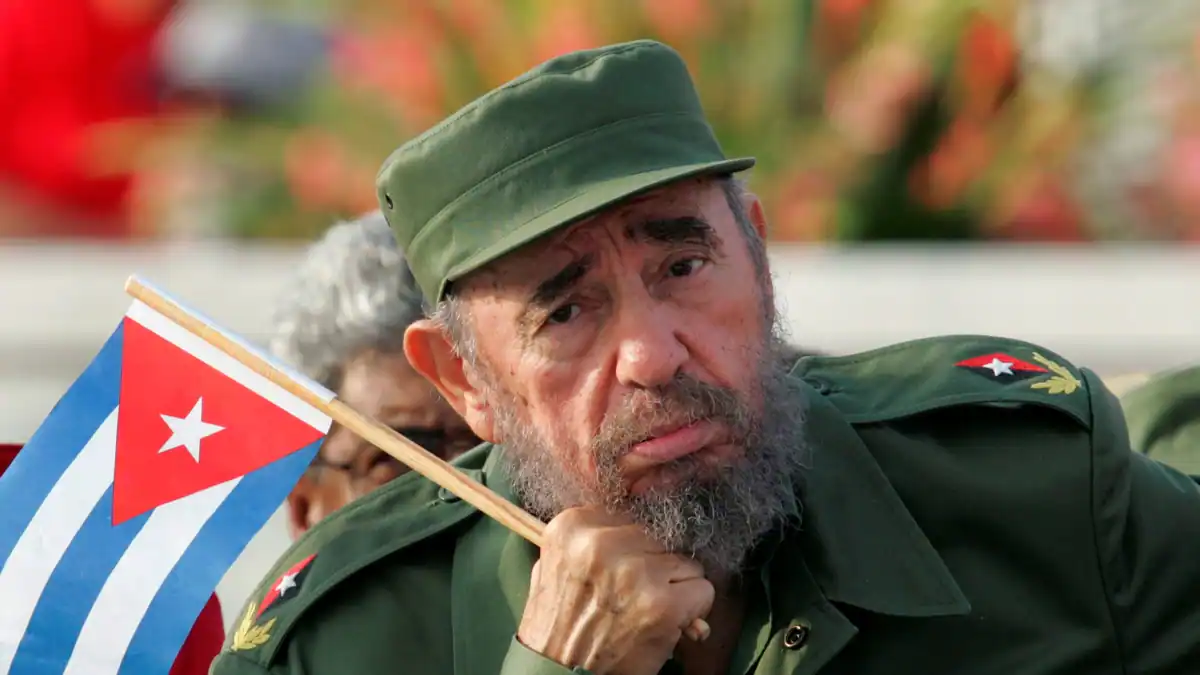
Castro’s Journey to Moscow
Amid the Cold War, Fidel Castro embarked on a diplomatic journey that would solidify Cuba’s ties with the Soviet Union. His visit to Moscow holds particular significance as it unfolded during a time of heightened tensions between the United States and the Soviet Union. The trip was marked by Fidel Castro’s meetings with Soviet Premier Nikita Khrushchev.
Solidarity and Negotiations
During his visit, Fidel Castro underscored the strong bond between the Cuban and Soviet peoples. He stated that the Soviet people “expressed by their deeds their love for and solidarity with Cuba.” This sentiment encapsulated the ideological alignment and shared objectives of the two nations, both of which were navigating complex relationships with the United States.
Advertisement
Diplomacy in Action
Beyond the expressions of solidarity, the visit to Moscow was also a platform for diplomatic negotiations. Fidel Castro and Nikita Khrushchev engaged in discussions that led to new agreements, particularly in the realms of sugar exports and agricultural methods. The need to increase sugar production, a vital component of Cuba’s economy, drove the negotiations and showcased the practical dimensions of the diplomatic ties between the two nations.
A Strategic Alliance
Fidel Castro’s journey to Moscow further solidified the strategic alliance between Cuba and the Soviet Union. This partnership had significant implications for the geopolitics of the Cold War, with Cuba becoming a key player in the ideological and geopolitical struggle between the superpowers. The Soviet Union’s support for Cuba would later manifest in various forms, including military assistance during the Cuban Missile Crisis in 1962.
Fidel Castro’s visit to Moscow represents a pivotal moment in the history of Cold War diplomacy. It was a time when Cuba sought alliances beyond its immediate geographical sphere, and the Soviet Union found a strategic partner in the Caribbean. The diplomatic journey not only solidified the relationship between Fidel Castro and Nikita Khrushchev but also shaped the trajectory of Cuba’s international relations for years to come. As we reflect on this historic visit, it serves as a testament to the complexities and alliances that defined the global landscape during Fidel Castro’s era of leadership.
Leave a Reply