
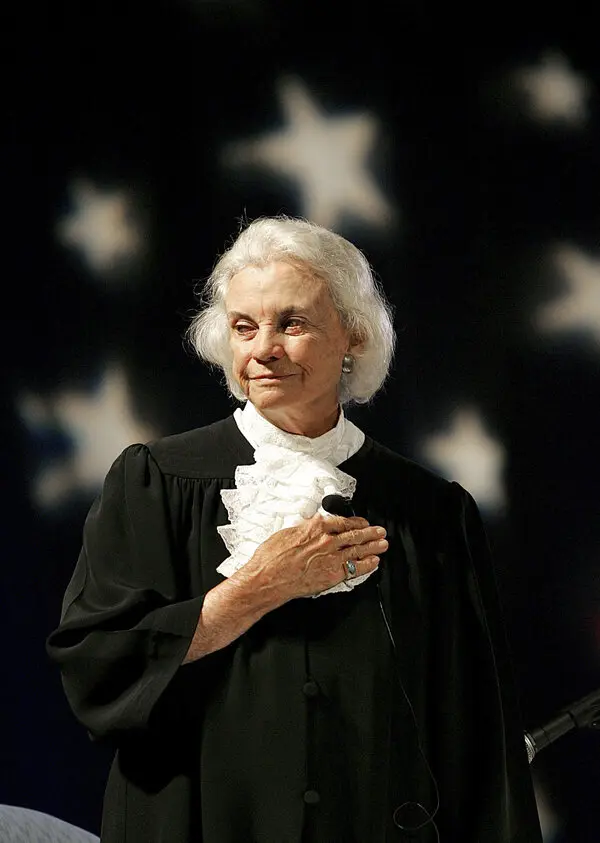
Sandra Day O’Connor, the trailblazing American attorney and jurist, left an indelible mark on the legal landscape during her tenure as an associate justice of the Supreme Court of the United States from 1981 to 2006.
Advertisement
Known for her judicious decisions and the ability to bridge ideological divides, O’Connor played a pivotal role in shaping the nation’s legal landscape.
During her 24-year tenure on the Supreme Court, O’Connor earned a reputation as the key deciding vote in numerous cases, showcasing her nuanced approach to legal matters. Perhaps one of the most notable instances was her pivotal role in the 1992 decision in Planned Parenthood v. Casey.
O’Connor, while often aligning with the conservative bloc, demonstrated a unique ability to collaborate with the Court’s liberal members. Her decisions reflected a commitment to balance and a pragmatic approach to the complexities of legal issues. Notably, she frequently penned concurring opinions that aimed to refine and limit the scope of the majority’s holding, showcasing her dedication to nuanced legal reasoning.
Advertisement
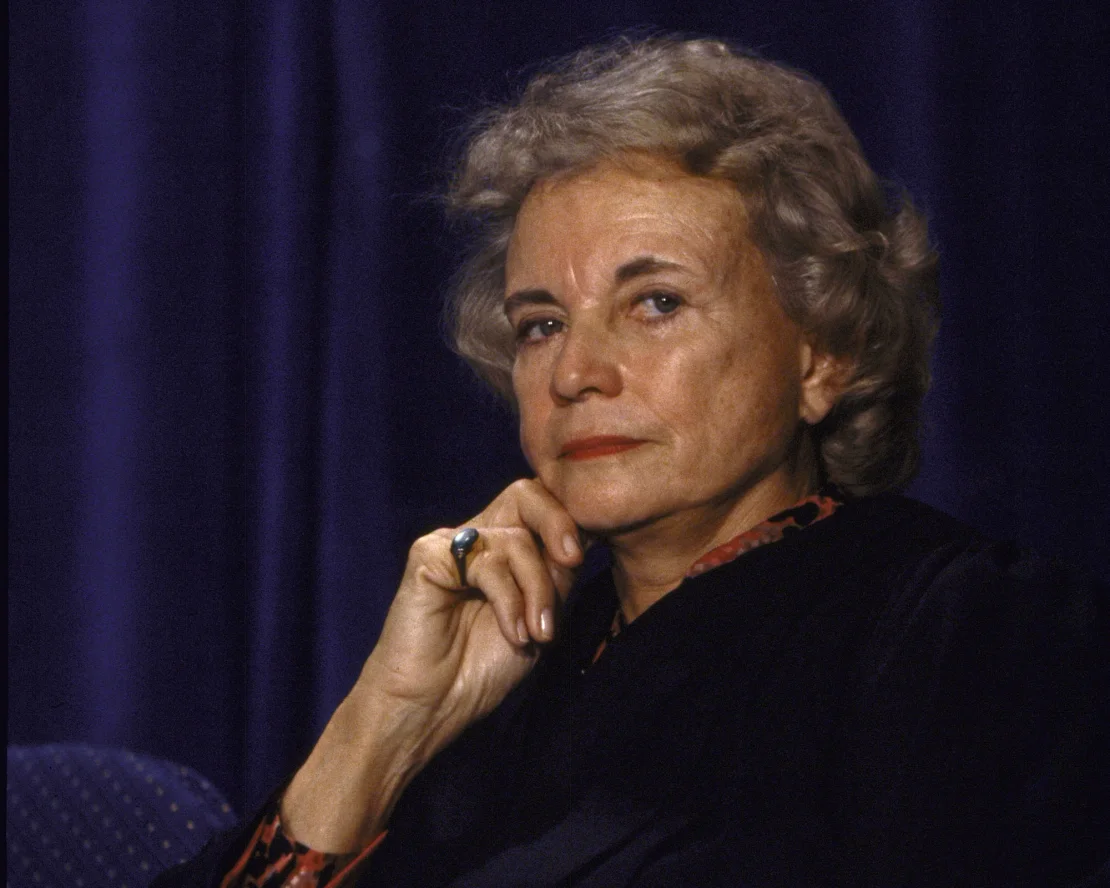
Diana Walker/The Chronicle Collection/Getty Images
Several landmark cases bear the imprint of O’Connor’s influence. In Grutter v. Bollinger, she authored the majority opinion, contributing to the establishment of affirmative action principles in higher education. In Hamdi v. Rumsfeld, O’Connor’s majority opinion addressed issues related to the detention of enemy combatants, emphasizing the importance of due process.
One of the most politically charged moments in recent U.S. history, the Bush v. Gore case, saw O’Connor playing a significant role. While she co-authored the per curiam majority opinion, the decision was controversial and had a profound impact on the outcome of the 2000 presidential election.
After her retirement from the Supreme Court, O’Connor continued to contribute to public service. Succeeding Henry Kissinger as the Chancellor of the College of William & Mary, she remained an influential figure in shaping the future of education and civic engagement.
In 2009, O’Connor received the Presidential Medal of Freedom from President Barack Obama, recognizing her lifetime achievements and contributions to American jurisprudence. Her legacy as a jurist of influence, known for her pragmatic approach and commitment to justice, continues to resonate in legal circles and beyond.
Leave a Reply