
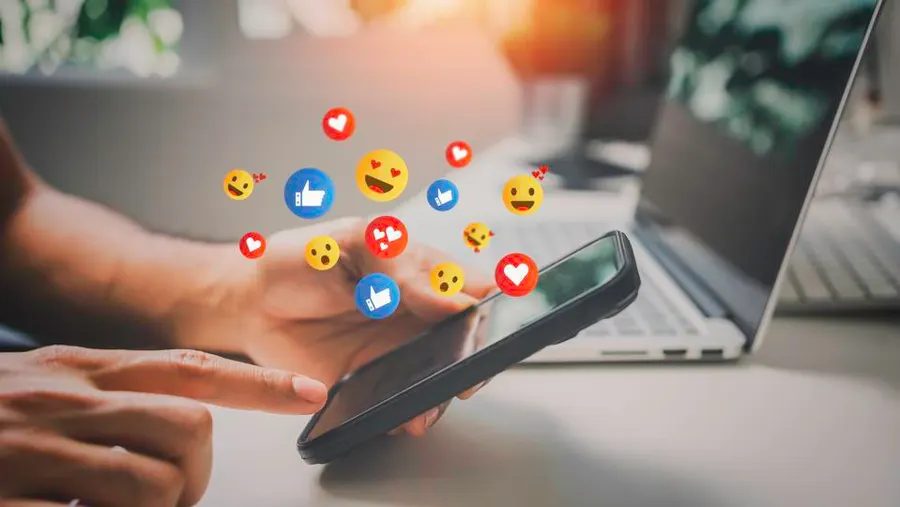
The Impact of Social Media on Mental Health: Navigating the Complex Connection
Advertisement
In the age of digital interconnectedness, social media has become an omnipresent force, shaping how we communicate, express ourselves, and perceive the world. However, beneath the glossy surface of curated posts and vibrant online communities, a growing body of research sheds light on the profound effects of social media on mental health.
The Essence of Social Media: A Double-Edged Sword
Social media platforms, defined as interactive technologies facilitating content creation and sharing within virtual communities, have undeniably transformed the way we connect and communicate. From sharing life updates to exploring diverse interests, these platforms have become integral to our daily lives. Yet, the question lingers: what impact does this constant virtual engagement have on our mental well-being?

A Troubling Connection: Social Media and Mental Health Risks
Numerous studies have unearthed a disconcerting link between heavy social media use and an elevated risk for mental health challenges. Depression, anxiety, loneliness, self-harm, and even suicidal thoughts have been identified as potential consequences of prolonged exposure to the virtual world. While social media offers a window into the lives of others, it simultaneously exposes users to a myriad of negative experiences that can significantly impact mental health.
Promoting Inadequacy: The Dark Side of Social Comparison
One of the key contributors to mental health struggles induced by social media is the pervasive culture of social comparison. As users scroll through carefully curated posts, there’s a natural tendency to compare one’s own life or appearance to the seemingly perfect lives depicted online. This constant exposure to idealized versions of reality can foster feelings of inadequacy, fueling a cycle of self-doubt and discontent.
Advertisement
The Domino Effect: Negative Experiences Amplified
Social media, while designed to foster connection, can inadvertently amplify negative experiences. The curated nature of online content often magnifies achievements, relationships, and lifestyles, creating an unrealistic benchmark for users. This heightened expectation can lead to a sense of failure, further contributing to mental health challenges.
Mitigating the Impact: Navigating Social Media Mindfully
While the potential risks associated with social media use are evident, there are proactive steps individuals can take to foster a healthier relationship with these platforms:
- Limit Screen Time: Set boundaries on daily social media use to avoid excessive exposure. Allocate time for meaningful offline activities to balance virtual engagement.
- Curate Your Feed: Be mindful of the content you consume. Unfollow accounts that contribute to negative emotions or feelings of inadequacy. Cultivate a feed that inspires and uplifts.
- Promote Positive Interaction: Use social media as a tool for positive engagement. Foster genuine connections, participate in discussions that uplift, and contribute to a supportive online community.
- Digital Detox: Periodically disconnect from social media to allow for mental rejuvenation. This break can provide clarity, reduce stress, and contribute to overall well-being.
- Seek Support: If feelings of anxiety or depression persist, don’t hesitate to seek professional support. Mental health professionals can provide guidance and strategies for managing the impact of social media on well-being.
Striking a Balance in the Digital Age
As we navigate the digital landscape, it’s crucial to recognize the nuanced relationship between social media and mental health. By fostering awareness, promoting mindful usage, and seeking support when needed, individuals can harness the positive aspects of virtual connectivity while mitigating the potential risks. Striking a balance in the digital age is not only possible but imperative for safeguarding our mental well-being in an ever-evolving virtual world.
Leave a Reply