

Decoding Peter Pan: Hero or Mischievous Trickster?
Advertisement
In the realm of classic literature, few characters have captured the imaginations of readers and audiences quite like Peter Pan, the perpetual child who refuses to grow up. Created by the Scottish novelist and playwright J. M. Barrie in 1902, Peter Pan has become a cultural icon, synonymous with the magic of childhood and the allure of eternal youth. However, as we delve into the layers of this timeless character, the question arises: Is Peter Pan truly the unblemished hero he appears to be, or does his mischievous nature hint at a more complex persona?
Peter Pan’s first appearance in Barrie’s “The Little White Bird” paved the way for numerous adaptations, including plays like “Peter and Wendy,” “Peter Pan,” “Peter and the Starcatcher,” and “Peter and Alice.” In each incarnation, Peter Pan is undeniably the protagonist, the charismatic figure around whom the narrative orbits. His defining traits—free-spiritedness, mischief, and the ability to fly—contribute to his enduring popularity.
One constant in the Peter Pan narrative is the presence of a clear antagonist, the dreaded Captain Hook. This notorious pirate, with a hook for a hand and an unrelenting desire to capture and defeat Peter, has been painted as the villain in almost every adaptation. This classic dichotomy sets the stage for a straightforward narrative of good versus evil, with Peter Pan firmly positioned as the virtuous hero.
Advertisement
However, delving deeper into Barrie’s original work reveals a more nuanced portrayal of Peter Pan. While his childlike innocence and love for adventure make him endearing, there’s a mischievous streak in Peter that cannot be ignored. He can be impulsive, self-centered, and, at times, oblivious to the consequences of his actions. These characteristics challenge the traditional archetype of the flawless hero.
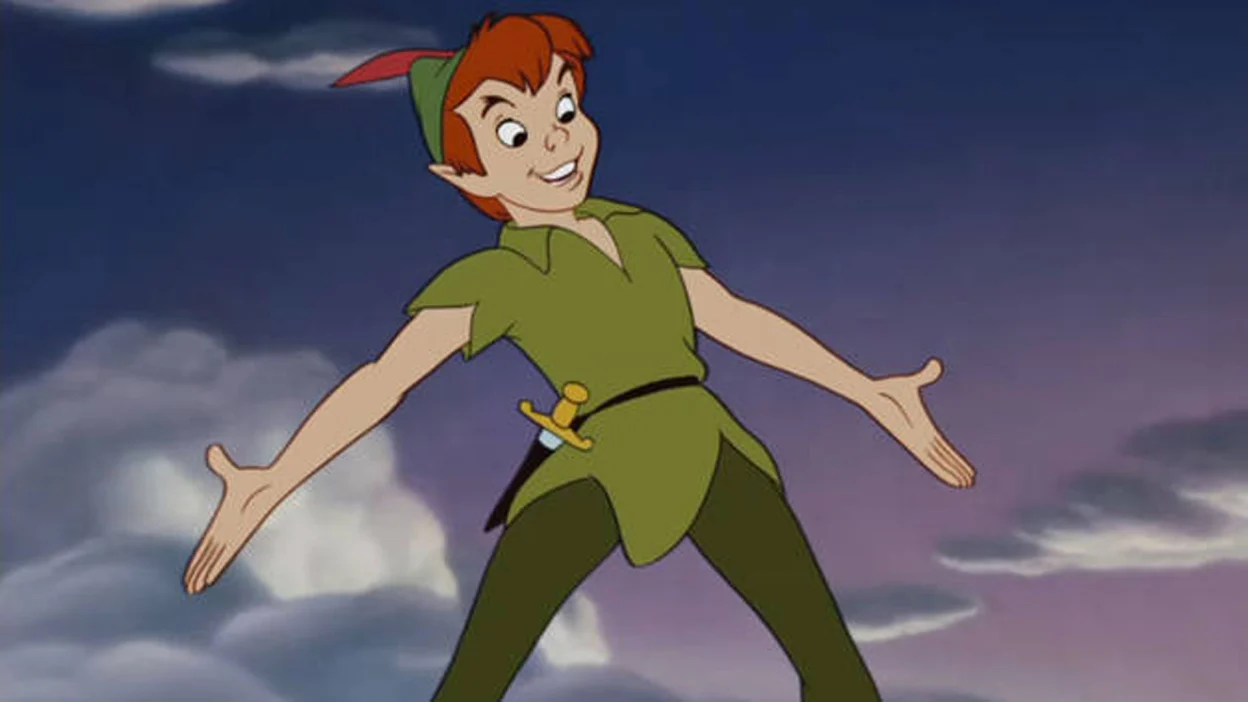
The evolution of Peter Pan in various adaptations adds another layer to this inquiry. Disney’s rendition, for instance, presents a more sanitized and child-friendly version of Peter, aligning him closely with the image of a hero. Yet, even in this more innocent portrayal, traces of mischief persist, hinting at the complexity beneath the surface.
The contrast between Barrie’s original story and Disney’s interpretation highlights the malleability of Peter Pan’s character. The underlying question lingers: Is Peter Pan a symbol of unwavering heroism, or does his mischievous nature make him a more realistic and relatable figure?
Perhaps the enduring appeal of Peter Pan lies in his imperfections. His refusal to grow up is both a source of inspiration and a reminder of the challenges and dilemmas inherent in the journey from childhood to adulthood. As we navigate the realms of Neverland and confront the swashbuckling Captain Hook, we may find that Peter Pan’s true strength lies in his ability to embody the complexities of the human experience.
In the end, whether Peter Pan is viewed as a paragon of virtue or a mischievous trickster may depend on the lens through which one chooses to explore this timeless character. Regardless of the interpretation, one thing remains certain: Peter Pan continues to captivate hearts and minds, inviting us to ponder the eternal dance between heroism and mischief that defines the human spirit.
Leave a Reply