

“Unraveling the Dark Tale: The Theory of Peter Pan’s Lost Boys”
Advertisement
In the whimsical world of Neverland, where fairies flutter, pirates scheme, and adventures abound, J. M. Barrie’s creation, Peter Pan, has long been celebrated as a symbol of eternal youth and boundless fantasy. However, beneath the surface of this enchanting tale lies a theory that casts a shadow over the innocence of Peter Pan’s character. The theory suggests that Peter Pan might not be the benevolent hero we perceive but rather a dark, ageless tyrant who orchestrates a sinister fate for his Lost Boys as they grow up.
The Theory Unveiled:
The unsettling theory proposes that Peter Pan, far from the carefree and spirited boy we know, is, in fact, a malevolent force within Neverland. As his Lost Boys inevitably age and approach the threshold of adulthood, Peter Pan, unable to accept their maturation, is believed to lead them to a sinister demise. In essence, he becomes the harbinger of their demise, ensuring that they never leave the enchanting confines of Neverland.
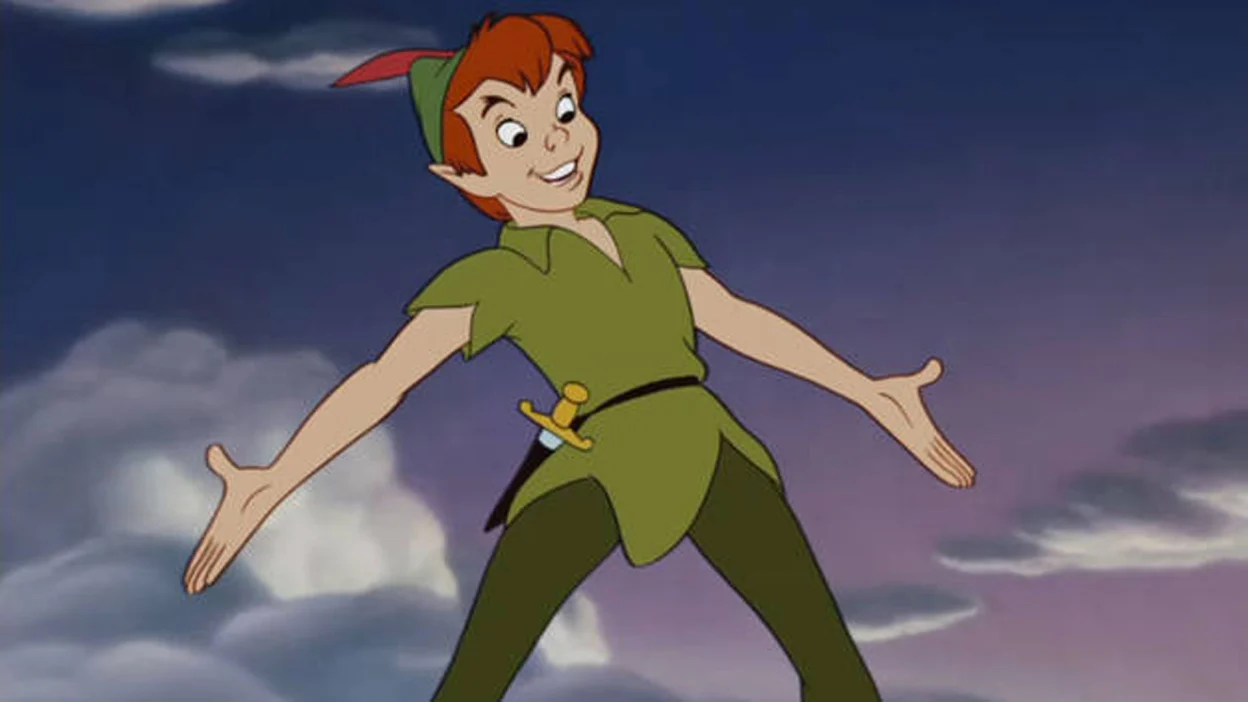
Pan as the Unseen Villain:
Contrary to the conventional narrative where Captain Hook is painted as the primary antagonist, this theory thrusts Peter Pan into the role of the unseen villain. It posits that every character in Neverland, including the unwitting Lost Boys, serves as mere pawns in Peter Pan’s dark and ageless game. His refusal to acknowledge the inevitability of time becomes the driving force behind the tragic fate that befalls the Lost Boys.
Advertisement
The Lost Boys’ Tragic Destiny:
According to this theory, as the Lost Boys grow older, Peter Pan’s whimsical world turns into a nightmarish reality. The transition from child to adult becomes a perilous journey orchestrated by the very figure they once idolized. The theory adds a haunting layer to the tale, prompting readers and viewers alike to reconsider the consequences of Peter Pan’s refusal to embrace the natural course of life.
A Dark Undertone to Neverland:
While Barrie’s creation of Neverland has long captivated audiences with its allure of eternal youth, the theory of Peter Pan’s dead Lost Boys introduces a dark undertone to this fantastical realm. It challenges our perceptions of the beloved character, urging us to question the implications of Peter Pan’s desperate attempts to retain his Lost Boys in perpetual childhood.
As we revisit the classic tale of Peter Pan and his whimsical adventures in Neverland, the theory of the Lost Boys adds a thought-provoking layer to the narrative. It invites us to explore the darker facets of Peter Pan’s character and reevaluate the consequences of his unyielding defiance against the passage of time. Whether one chooses to see Peter Pan as a benevolent guide or an ageless tyrant, the theory undoubtedly sparks a new perspective on a tale that has enchanted generations with its magic and mystery.
Leave a Reply