

The Final Chapter of Neverland: How Peter Pan’s Story Comes to a Bittersweet End
Advertisement
In the magical universe crafted by Scottish novelist and playwright J. M. Barrie, the tale of Peter Pan unfolds like a mesmerizing dream, filled with whimsy, adventure, and the eternal spirit of youth. However, as the story draws to a close, it leaves behind a lingering sense of both enchantment and melancholy.
The culmination of Peter Pan’s escapades is marked by a poignant farewell. After Barrie’s narrative, Wendy, along with her brothers and the Lost Boys, bids adieu to the fantastical realm of Neverland. They return to the familiar streets of Bloomsbury, their London home. Peter Pan, true to his nature as the boy who refuses to grow up, decides to stay in Neverland, surrounded by the perpetual magic that defines the enchanted land.
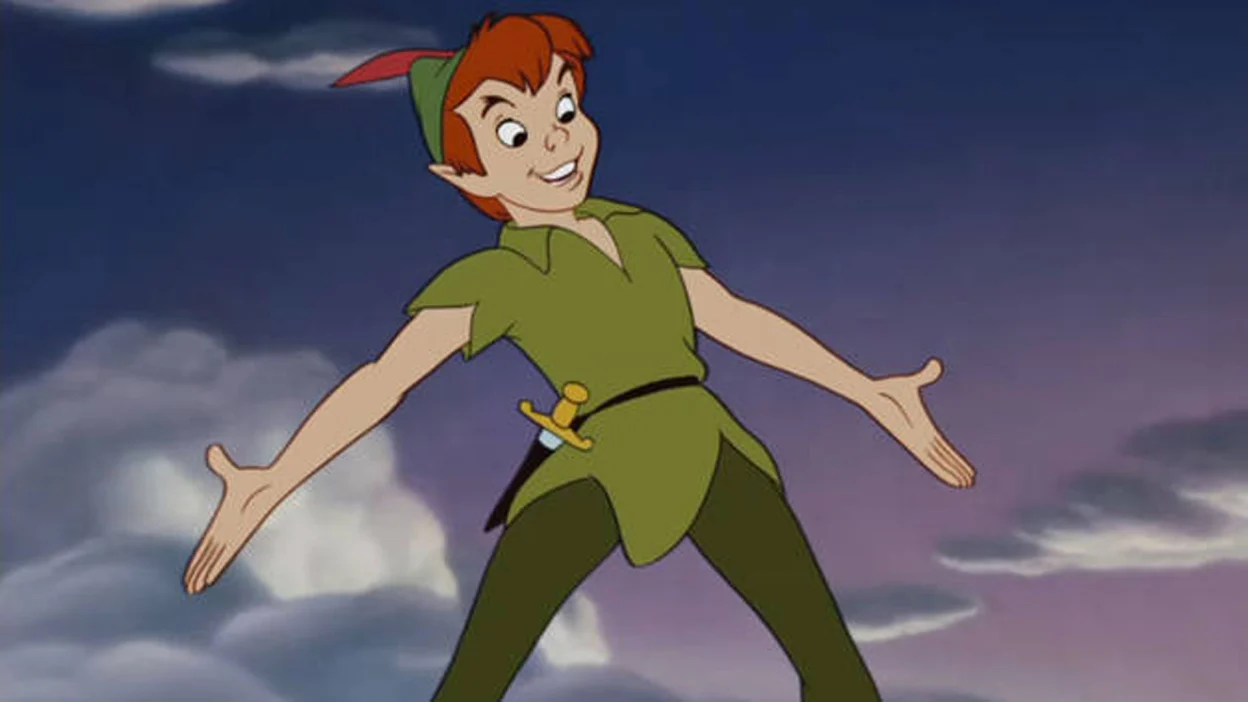
The parting scene carries a bittersweet quality, as the characters step from the fantastical into the real, leaving behind the vivid wonders of Neverland. It underscores the inevitability of growing up, a theme that echoes throughout Barrie’s work. The Lost Boys, once denizens of a world suspended in perpetual childhood, must now reconcile with time.
An additional layer of sorrow is woven into the narrative with the revelation of Tinker Bell’s fate. Soon after the main events of the novel, Tinker Bell succumbs to the ephemeral nature of fairies and fades away. Peter Pan, encapsulating the essence of childhood innocence, forgets about the adventures with Hook, the Lost Boys, and even the spirited Tinker Bell. His forgetfulness becomes a poignant metaphor for the fleeting memories of childhood, lost in the sands of time.
Advertisement
The final chapters of Peter Pan serve as a profound exploration of the complexities of memory, maturity, and the inexorable march of time. While Wendy and her companions return to the familiar embrace of reality, Peter Pan remains ensconced in the everlasting whimsy of Neverland.
However, the conclusion of Barrie’s narrative is not the only farewell to Peter Pan. In a peculiar turn of events, The New York Times announced, on April 5th, 1960, that Peter Pan met his end in a tragic accident. At the age of 63, Barrie’s beloved character faced an unexpected demise, not at the hands of a crocodile or a pirate, but in the real-world setting of a subway train. The report disclosed that Peter Pan, in this somber incarnation, had battled the demons of alcoholism.
This revelation adds a somber coda to the vibrant and fantastical world that Barrie had created. The demise of Peter Pan, not through the triumph of an adversary but through the frailty of human struggles, injects a poignant realism into the narrative. It serves as a stark reminder that, even in the world of eternal youth, the passage of time leaves an indelible mark.
In the end, the story of Peter Pan transcends the confines of a traditional fairy tale. It becomes a poignant exploration of the dualities inherent in the human experience—of joy and sorrow, memory and forgetfulness, magic and reality. As readers reflect on the final chapters of Neverland, they are left with a profound understanding that just like Peter Pan, the magic of childhood and the inevitability of growing up are inextricably intertwined.
Leave a Reply