

The Timeless Tale of Peter Pan: Embracing the Message of Never Growing Up
Advertisement
In the enchanting world crafted by Scottish novelist and playwright J. M. Barrie, a character emerges as a symbol of eternal youth, unbridled imagination, and the reluctance to succumb to the inevitable passage of time. This character is none other than Peter Pan, the free-spirited and mischievous boy who can fly and never grows up. As we embark on the whimsical journey through Barrie’s plays, including “Peter and Wendy,” “Peter Pan,” “Peter and the Starcatcher,” and “Peter and Alice,” we find that at the heart of this timeless tale lies a profound and resonant message.
The main idea encapsulated in the narrative of Peter Pan is a poignant exploration of the tragedy inherent in the process of growing up. The central theme revolves around the inevitable transition from childhood innocence, imagination, and a sense of adventure to the complexities and responsibilities of adulthood. Barrie delicately weaves a narrative that reflects the universal sentiment that, in leaving behind the magic of youth, there is a poignant loss that accompanies the gains of maturity.
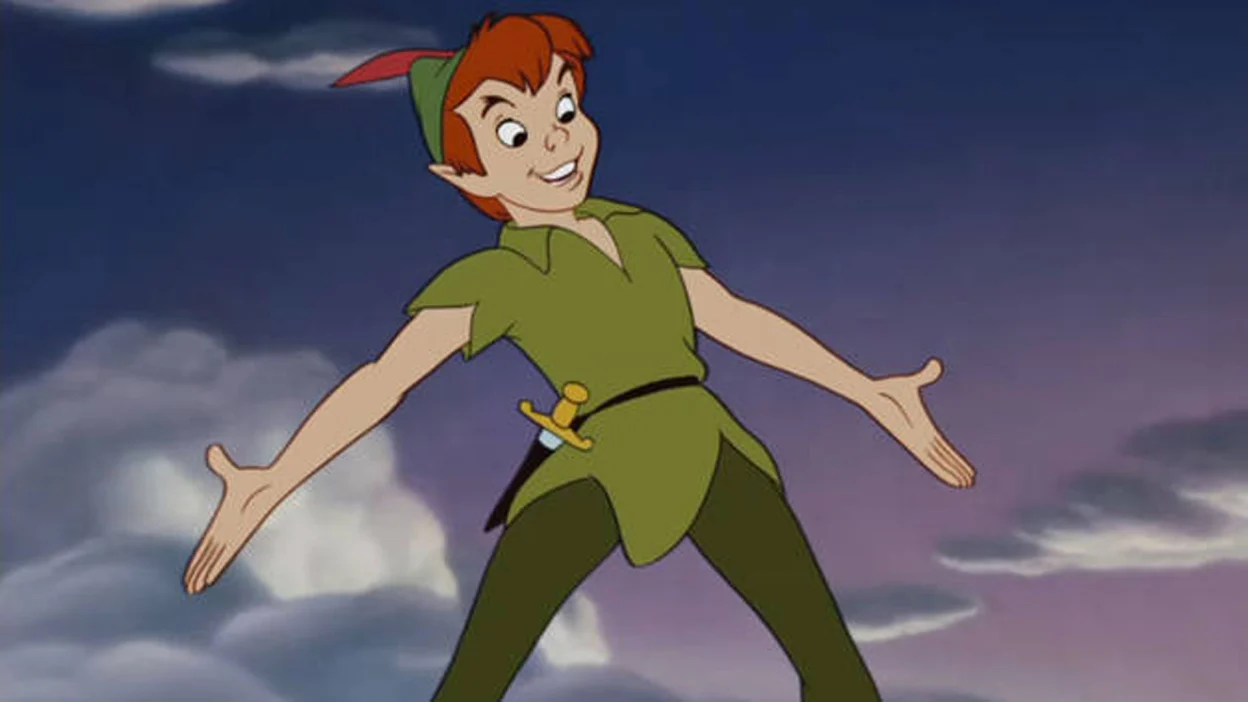
Peter Pan, with his refusal to grow up and his perpetual pursuit of whimsy, becomes a poignant symbol of the yearning to preserve the enchantment of childhood. The character resonates with readers and audiences alike because he embodies the innate desire to cling to the simplicity of youth, where the boundaries between reality and fantasy blur, and every day is an invitation for adventure.
Advertisement
The tragedy of growing up is not portrayed as a mere inevitability in Barrie’s narrative; rather, it becomes a choice—one that each individual must face. Peter Pan, the boy who can fly and live in the realm of perpetual youth, serves as a whimsical yet powerful reminder that the cost of growing up involves bidding farewell to the innocence, wonder, and unbridled joy of childhood.
As readers immerse themselves in the fantastical landscapes of Neverland, they are invited to reflect on their journey through the sands of time. The adventures of Peter Pan and his companions serve as a mirror, prompting us to ponder the value we place on the vibrant tapestry of our youth. The message is clear: while growing up may bring new horizons and experiences, it also carries with it the weight of leaving behind the simplicity and unadulterated joy of childhood.
The enduring appeal of Peter Pan lies in its ability to evoke a sense of nostalgia for the carefree days of youth while encouraging a conscious effort to retain the essence of that innocence. It prompts us to ask ourselves if, in the pursuit of adulthood, we risk forgetting the magic that once colored our world.
In essence, the main message of Peter Pan is a call to embrace the spirit of perpetual youth, not in the literal sense of avoiding physical aging, but in preserving the childlike wonder, curiosity, and capacity for joy that defines the essence of youth. Barrie’s timeless tale reminds us that, no matter how old we become, there is an enduring magic in holding on to the heart of a child—a magic that can transform the ordinary into the extraordinary and keep the spirit of adventure alive, even as the hands of time continue to tick.
Leave a Reply