
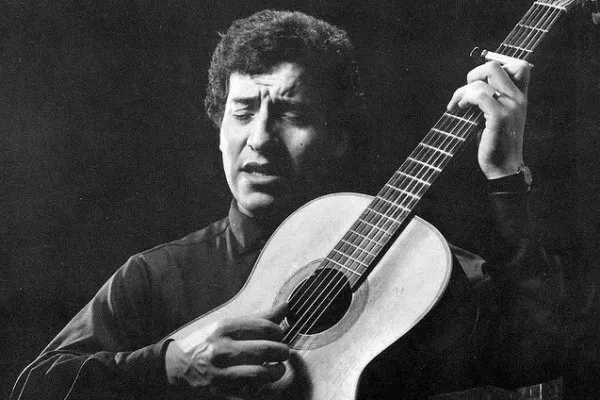
Víctor Lidio Jara Martínez, a luminary in Chilean culture and a fervent political activist, left an enduring legacy through his multifaceted talents as a teacher, theater director, poet, and singer-songwriter. Born on September 28, 1932, his life was tragically cut short on September 16, 1973, during the tumultuous period following the Chilean military coup. Víctor Jara’s artistic prowess and unyielding commitment to justice turned him into a symbol of resistance, leaving an indelible mark on the nation’s history.
Advertisement
Artistic Prowess
Víctor Jara’s influence on Chilean theater and music was profound. As a theater director, he navigated a diverse repertoire, directing plays from local productions to world classics and collaborating with playwrights like Ann Jellicoe. He played a pivotal role in the Nueva canción chilena movement, shaping a new era of folk music during President Salvador Allende’s administration.

Image Credit: The New York Times
Targeted for his Beliefs
Víctor Jara’s commitment to social justice and his association with figures like Che Guevara and Allende made him a target of the military regime led by Augusto Pinochet. After the coup in September 1973, Jara was arrested, tortured, and ultimately shot dead. The stark contrast between the themes of his songs, promoting love, peace, and social justice, and the brutality of his murder transformed Jara into a potent symbol of the struggle for human rights and justice during the Pinochet regime.
Advertisement
The Quest for Justice
Decades after his murder, the pursuit of justice gained momentum. In June 2016, a Florida jury found former Chilean Army officer Pedro Barrientos liable for Jara’s murder. Subsequently, in July 2018, eight retired Chilean military officers were sentenced to 15 years and a day in prison for their role in Jara’s death. Barrientos, who had his U.S. citizenship revoked in July 2023, was later arrested in Deltona, Florida, in October 2023.
Musical Journey and Activism
Víctor Jara’s musical journey began in the choir at the University of Chile, leading him to pursue a career in theater. He absorbed the lessons of traditional folk music from singer Violeta Parra and became a key figure in the Nueva canción movement. Albums like his 1966 self-titled debut marked the beginning of a musical legacy that blended Latin American folk tunes with his own compelling compositions.
Political Confrontation and Global Impact
Known for his powerful performances, Jara’s songs spread beyond Chile and gained popularity among American folk artists. His ability to weave political themes into his music led to confrontations with conservative forces in Chile. The controversial song “La beata” and the politically charged “Preguntas por Puerto Montt” showcased Jara’s willingness to challenge societal norms.
Support for Allende and Cultural Contribution
Víctor Jara played a pivotal role in supporting Salvador Allende’s presidency. His composition “Venceremos” became the anthem of Allende’s Popular Unity movement. Jara and his wife, Joan Jara, organized cultural events supporting the socialist government, with Jara teaching at Chile’s Technical University and contributing to the reorientation of Chilean culture.
Tragic End and Unyielding Spirit
The military coup on September 11, 1973, marked the end of Allende’s government and the beginning of a dark chapter in Chilean history. Jara, on his way to work at the Technical University, found himself caught in the turmoil. Despite the adversity, he continued to sing, offering solace to those sheltering in the university. His murder symbolized the brutality faced by those standing against oppression.
Leave a Reply