

Laryngopharyngeal reflux (LPR) can be a challenging condition to manage due to its impact on the throat and voice box. Patients suffering from LPR often seek effective treatments to alleviate their symptoms. Two common medications that are considered for LPR treatment are Gaviscon and Omeprazole. In this article, we will explore these medications and their effectiveness in managing LPR.
Advertisement

Fort Worth ENT
Understanding Laryngopharyngeal Reflux (LPR)
LPR is characterized by the backward flow of stomach acid into the throat and voice box, leading to a range of troublesome symptoms such as chronic cough, hoarseness, throat clearing, and laryngitis. Managing LPR typically involves a combination of lifestyle modifications, dietary changes, and medication.
Medication Options for LPR
- Proton Pump Inhibitors (PPIs): PPIs are often considered the gold standard for treating LPR. They work by reducing the production of stomach acid and are typically taken 30 to 60 minutes before each meal. This class of medication is known for its effectiveness in managing LPR, which may require more prolonged and aggressive treatment than gastroesophageal reflux disease (GERD).
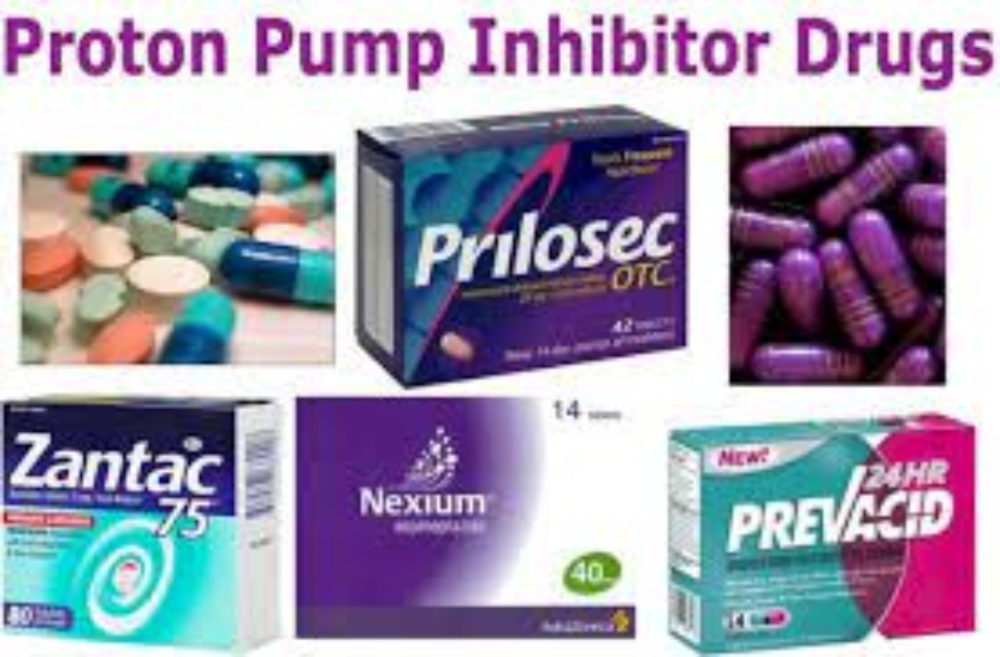
PHOTO CREDIT:
Houston Heartburn Center - Gaviscon: Gaviscon is another medication that is considered for LPR. Gaviscon works by forming a “raft” on the surface of the stomach, which can help bind pepsin and prevent acid irritation in the throat. It is especially helpful in liquid form.

Omeprazole and Its Role in LPR Treatment
Omeprazole is one of the PPIs commonly used to treat heartburn and digestive conditions, including LPR. While it is a potent medication for reducing stomach acid, the question remains: can omeprazole cure LPR?
Advertisement
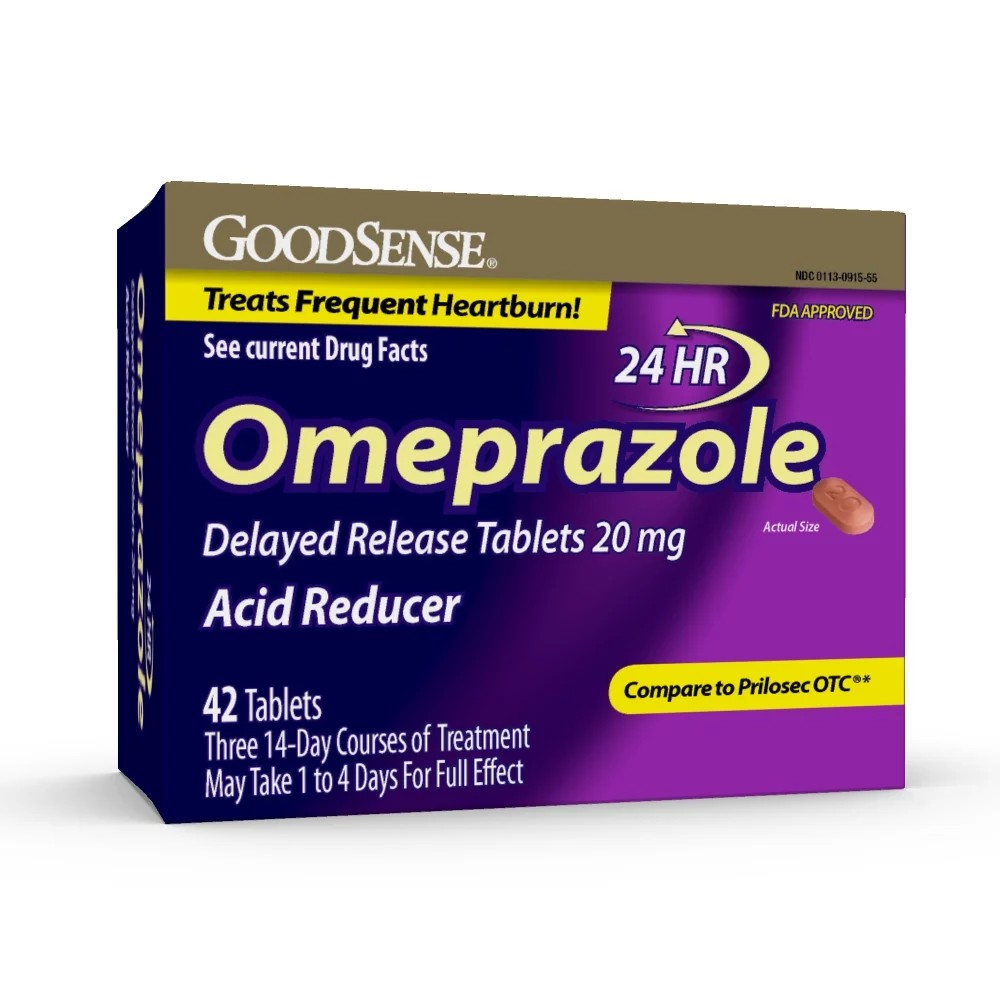
Several studies have explored the effectiveness of omeprazole in LPR treatment. One study found that omeprazole significantly reduced laryngopharyngeal reflux and related symptoms like mild hoarseness and throat clearing. However, it didn’t show the same level of improvement for other LPR symptoms or heartburn. This suggests that while omeprazole can be effective in managing some LPR symptoms, it may not provide a complete cure, and its success varies among individuals.
Gaviscon’s Role in LPR Management
Gaviscon, especially in its liquid form, can be helpful for LPR patients. It creates a protective layer on the stomach’s surface, helping to prevent acid reflux and irritation in the throat. Some individuals find relief from their LPR symptoms with the use of Gaviscon, which can be taken up to four times a day, particularly after meals and at bedtime.

Gaviscon
One important point to note is that Gaviscon contains alginate, which aids in forming the protective “raft.” Patients are sometimes advised to take it before bedtime, making it the last thing they consume before going to sleep.
The Right Medication for You
The choice between Gaviscon and omeprazole in managing LPR should be made in consultation with a healthcare professional. What works best for one person may not be as effective for another. LPR is a complex condition with various underlying causes, and the treatment approach needs to be tailored to individual needs.
It’s also worth noting that both Gaviscon and PPIs have their place in LPR management. Some individuals may find relief with Gaviscon, while others may require the more aggressive acid-suppressing action of PPIs. The goal is to alleviate symptoms, improve the quality of life, and prevent potential complications of LPR.

Laryngopharyngeal reflux is a condition that requires careful management. The choice of medication, whether it’s Gaviscon, omeprazole, or another treatment, should be guided by a healthcare professional’s recommendations. While these medications can provide relief, they may not necessarily offer a complete cure for LPR. Lifestyle changes, dietary modifications, and patience are also key components of effective LPR management. Always consult with your healthcare provider to determine the most suitable treatment plan for your specific case.
Leave a Reply