

Hernán Cortés and the Controversy Surrounding His Involvement in Slavery
Advertisement
Hernán Cortés de Monroy y Pizarro Altamirano, the renowned Spanish conquistador remembered for orchestrating the fall of the Aztec Empire and bringing substantial regions of what is now mainland Mexico under the dominion of the king of Castile, also harbored a deeply controversial aspect of his legacy—his connection to slavery.
Cortés, born in 1485 in Medellín, Spain, commanded one of the most significant conquests in history, yet his involvement in slavery remains an uneasy and contentious part of his narrative. The conquistador’s engagement with enslavement, both through direct ownership and forced labor, is a troubling aspect of his historical standing.
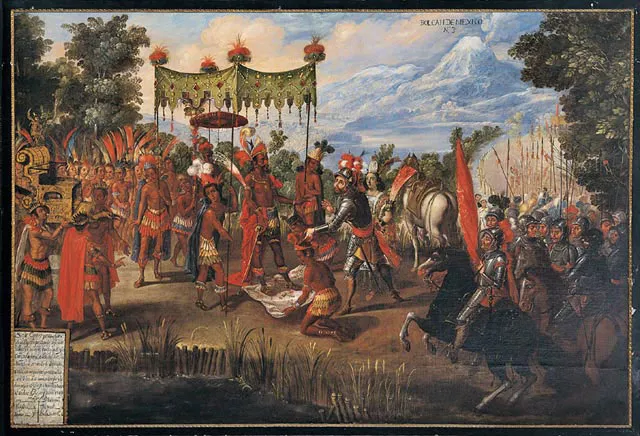
Reports and historical accounts suggest that Cortés might have possessed a vast number of indigenous slaves. It’s estimated that he outright owned three thousand or more indigenous slaves. Beyond this shocking ownership, Cortés’ estate compelled an alarming figure of up to twenty-four thousand laborers annually to toil as tribute. These individuals, coerced to work, were often sent by their home villages for week-long periods to contribute labor to Cortés’ estate.
Advertisement
The magnitude of Cortés’ involvement in slavery, both through direct ownership and the imposition of forced labor as tribute, raises profound moral and ethical questions about his legacy. While he is celebrated for his conquests and expeditions, this darker side of his engagement in the enslavement of indigenous populations complicates the perception of his character and actions.
The enigmatic nature of Cortés’ historical standing praised as a conqueror while simultaneously connected to the exploitation of indigenous populations compels a critical reexamination of his historical legacy. The accounts of his possession of thousands of slaves and the coercion of laborers for tribute confront the romanticized narrative of his conquests and spotlight a darker chapter in the conquest era.
Cortés’ involvement in slavery, specifically the staggering number of enslaved individuals he owned and compelled into forced labor, demands a comprehensive reevaluation of his historical image. It challenges the traditional glorification of conquistadors and forces an introspection into the multifaceted legacies of historical figures, shedding light on the less celebrated and often morally reprehensible aspects of their actions.
The complexities of Cortés’ historical narrative, compounded by his association with slavery, compel a deeper and more nuanced understanding of his contributions, stirring conversations about the ethical implications of historical conquests and the societal impacts of exploitative practices that continue to shape our collective understanding of history.
Leave a Reply