
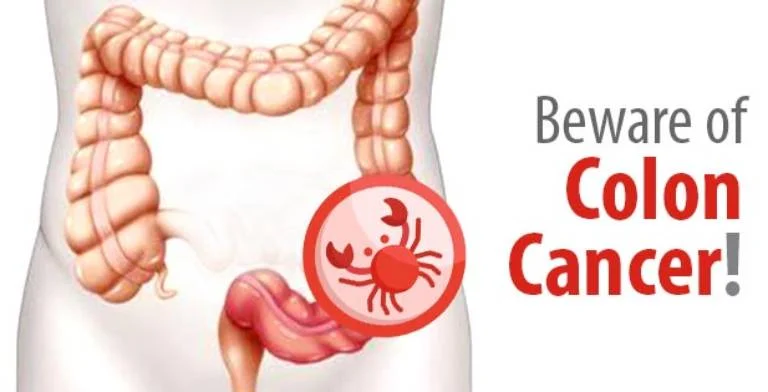
Colorectal cancer, often referred to as colon cancer, is a formidable adversary that affects countless lives across the globe. It is essential to understand the severity and potential outcomes of this disease to raise awareness and encourage early detection and prevention. In this article, we explore the question: can colon cancer lead to death, and at what stage does it become most critical?
Advertisement
Colorectal Cancer: An Overview
Colorectal cancer, commonly known as colon cancer, is a disease characterized by the uncontrolled growth of cells in the colon or rectum. The colon, also referred to as the large intestine or large bowel, plays a crucial role in the digestive process. The rectum connects the colon to the anus, where waste products are eliminated from the body.
A Global Health Concern
Colorectal cancer is a global health concern and one of the leading causes of cancer-related deaths worldwide, including in the United States. The disease’s prevalence and its potential for dire consequences make it a matter of significant concern in the medical community.
Staging and Colon Cancer
The staging of colon cancer is a crucial factor in understanding its severity and determining the most appropriate treatment. Staging assesses the extent to which cancer has spread, ranging from early stages (I and II) to more advanced stages (III and IV). The latter stages typically indicate a more severe condition and a greater potential for harm.
Advertisement
End-Stage Colon Cancer: A Challenging Phase
End-stage colon cancer, often identified as stage IV or metastatic colon cancer, is a challenging phase in the disease’s progression. At this point, cancer has spread to distant organs or lymph nodes, making it considerably more challenging to treat. The onset of this stage can be somewhat unpredictable.
Survival Rates and End-Stage Colon Cancer
One of the critical factors in understanding the severity of end-stage colon cancer is the survival rate. According to statistics, the five-year survival rate for stage IV colon cancer is a mere 14%. This figure underscores the formidable nature of the disease at this advanced stage. While treatment options are available and can significantly enhance a patient’s quality of life and life expectancy, there is currently no cure for end-stage colon cancer.
Raising Awareness and Encouraging Early Detection
The severity and potential consequences of colon cancer, particularly in its later stages, underscore the importance of early detection and awareness. Regular screenings and a comprehensive understanding of the risk factors associated with colorectal cancer can be life-saving. By recognizing the disease’s potential to lead to death, individuals can take proactive steps to mitigate the risk, improve early diagnosis, and ultimately save lives.
Leave a Reply