
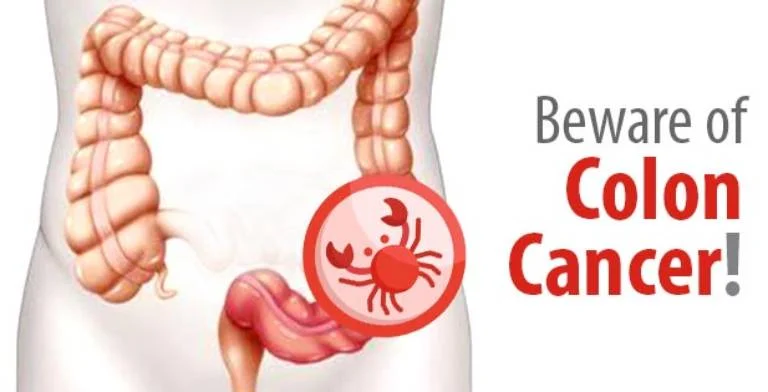
Colorectal cancer, often referred to as colon cancer, is a formidable disease characterized by the uncontrolled growth of cells in the colon or rectum. It is essential to recognize that this disease can manifest with various symptoms, including changes in the color, consistency, and frequency of stool. In this article, we delve into the question of what colon cancer stool looks like and the specific color changes associated with this condition.
Advertisement
Colorectal Cancer: An Overview
Colorectal cancer primarily affects the colon, which is the large intestine or large bowel, and the rectum, the passageway connecting the colon to the anus. This disease’s complexity and potential consequences underscore the importance of early detection and awareness.
Stool Changes and Colon Cancer
One of the hallmark signs of colon cancer is its impact on bowel movements and the appearance of stool. The disease can lead to several changes in stool characteristics, including:
Advertisement
- Blood in the Stool: Colorectal cancer can cause bleeding within the colon or rectum. As a result, blood may mix with stool, giving it a characteristic appearance of dark or bright red blood.
- Narrow Stools: Some individuals with colon cancer may notice that their stools become narrower or thinner than usual. This change in stool size can be indicative of a potential obstruction within the colon.
- Increased Bowel Movements: Colon cancer can lead to more frequent bowel movements, often accompanied by diarrhea. These changes can be concerning and warrant medical attention.
- Black and Tarry Stool: In advanced stages of colon cancer, stool may exhibit a distinctive appearance. As cancer spreads throughout the colon, it can cause lesions that bleed into the stool, resulting in a black or tarry color.
Understanding the Significance
The presence of black or tarry stool can be a concerning sign, indicating that cancer has advanced and may be causing bleeding within the colon. This symptom underscores the severity of colon cancer and the urgent need for a diagnosis. Early detection is vital for the best possible treatment outcomes and a higher chance of survival.
Early Detection Saves Lives
Recognizing the changes in stool characteristics associated with colon cancer is a critical step in early detection and intervention. If you notice any of these signs, particularly black or tarry stool, it is essential to seek immediate medical attention. Early diagnosis and treatment significantly improve the chances of successful management and, ultimately, the patient’s survival. Colon cancer is a formidable adversary, but with timely medical care, it can be effectively addressed, highlighting the importance of regular screenings and awareness.
Leave a Reply