
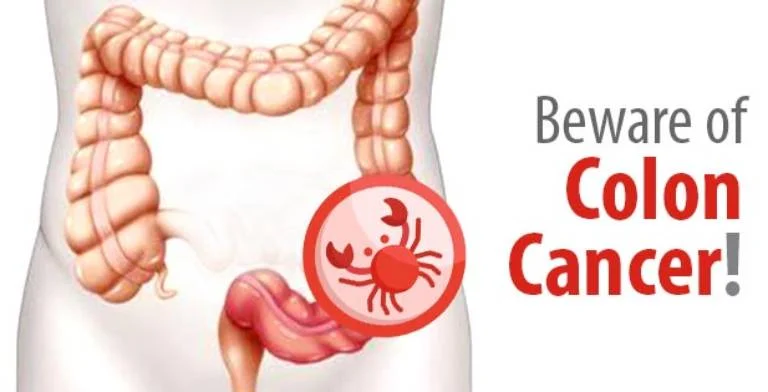
Colorectal cancer, commonly referred to as colon cancer, is a condition where cells in the colon or rectum experience uncontrolled growth. Early detection and prevention are key in the fight against this disease. In this article, we will explore methods to prevent colon cancer and discuss its potential effects on weight.
Advertisement
Preventing Colon Cancer
Preventing colon cancer involves adopting a healthy lifestyle and making choices that reduce your risk. While no method can guarantee absolute prevention, research has shown that the following healthy choices can contribute to a lower risk of developing colorectal cancer:
- Physical Activity: Regular physical activity has been linked to a reduced risk of colorectal cancer. Incorporating exercise into your daily routine can help maintain overall health and contribute to cancer prevention.
- Healthy Weight: Maintaining a healthy weight is essential. Studies suggest that individuals with excess body weight are at a higher risk of developing colorectal cancer. By achieving and maintaining a healthy weight, you can lower your risk.
- Alcohol Moderation: Limiting alcohol consumption is recommended. Excessive alcohol intake has been associated with an increased risk of colorectal cancer. Moderation is key to minimizing this risk.
- Tobacco Avoidance: Tobacco use is a known risk factor for multiple types of cancer, including colorectal cancer. Avoiding tobacco in all forms is a crucial step in reducing your cancer risk.
Understanding the Impact on Weight
Weight gain is a concern for many individuals, and it’s natural to wonder if colon cancer can lead to unwanted weight gain. The relationship between cancer and weight can vary, and certain types of cancer can indeed cause weight changes.
Advertisement
- Ovarian and Colorectal Cancer: Some cancers, such as ovarian and colorectal cancer, may lead to fluid buildup in the legs or abdomen. This accumulation of fluid is known as ascites and can result in noticeable weight gain. It’s important to note that this weight gain is primarily due to the presence of excess fluids rather than an increase in body fat.
- Treatment-Related Changes: Cancer treatments, including chemotherapy, radiation therapy, and surgery, can also influence weight. While some individuals may experience weight loss due to treatment-related side effects, others may gain weight as a result of factors like increased appetite, changes in metabolism, or medication effects.
Preventing colon cancer involves making healthy lifestyle choices, such as engaging in regular physical activity, maintaining a healthy weight, moderating alcohol consumption, and avoiding tobacco. These steps can help reduce the risk of developing colorectal cancer. While certain types of cancer may lead to weight changes, it’s crucial to consult with a healthcare professional to understand the specific impact on your weight and to receive appropriate guidance during treatment. Staying informed and proactive about your health is vital in the journey to cancer prevention and treatment.
Leave a Reply