

The Iranian cinematic landscape has been graced with numerous talents over the decades, but few shine as brightly as the late filmmaker, Dariush Mehrjui. With a career that spanned several decades, Mehrjui was instrumental in shaping the narrative of Iranian cinema, particularly during the Iranian New Wave movement of the early 1970s. Let’s take a closer look at some of the iconic films that solidified his standing as one of the greats of Iranian cinema.
Advertisement
Advertisement
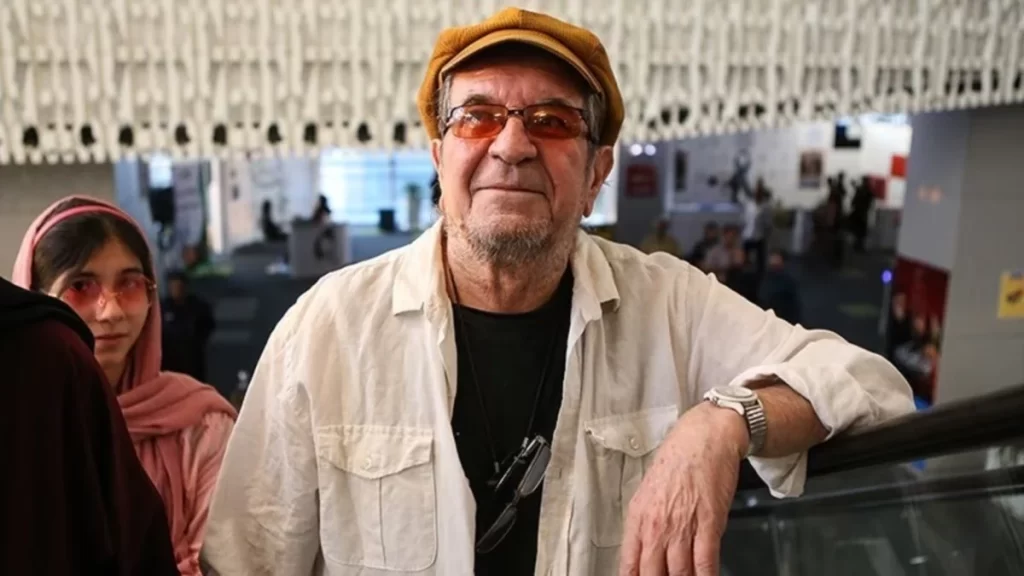
- The Cow (Gaav) (1969) One of Mehrjui’s most influential films, “The Cow” is often cited as the first film of the Iranian New Wave. It tells the heart-wrenching story of a village man, Masht Hassan, who is deeply attached to his cow. The narrative delves deep into the psychological ramifications after the cow’s sudden demise, offering a profound commentary on human relationships and society.
- The Cycle (Dayereh Mina) (1977) Another powerful film that shed light on the dark alleys of society, “The Cycle” offers a gripping tale of illegal blood trade and the socio-economic issues that drive individuals towards it. The film was a significant step in pushing boundaries and discussing topics considered taboo.
- The Tenants (Hamoun) (1990) This film provided a rich exploration of urban life and its challenges. Through the lens of its protagonist, it navigates the complexities of love, disillusionment, and the quest for meaning amidst modernity’s chaos.
- The Pear Tree (Derakhte Golabi) (1998) “The Pear Tree” is a lyrical narrative about a writer reminiscing about his youth and his undying love for a cousin. The film beautifully juxtaposes the themes of love, memory, and the inexorable passage of time.
- Sara (1992) A reinterpretation of Henrik Ibsen’s “A Doll’s House”, this film is a poignant tale of a woman named Sara who rebels against societal norms and familial expectations to carve out her destiny.
- Leila (1997) This drama focuses on a young couple grappling with the news of the wife’s infertility. Mehrjui dives deep into societal expectations, family pressures, and the internal conflicts they generate.
Throughout his illustrious career, Dariush Mehrjui consistently used cinema as a medium to spotlight societal issues, human relationships, and the complex tapestry of emotions that define the human experience. His films are not just movies; they are evocative narratives that compel viewers to reflect, question, and empathize. The legacy of Mehrjui remains firmly etched in the annals of cinema, offering inspiration to filmmakers worldwide.
Leave a Reply