
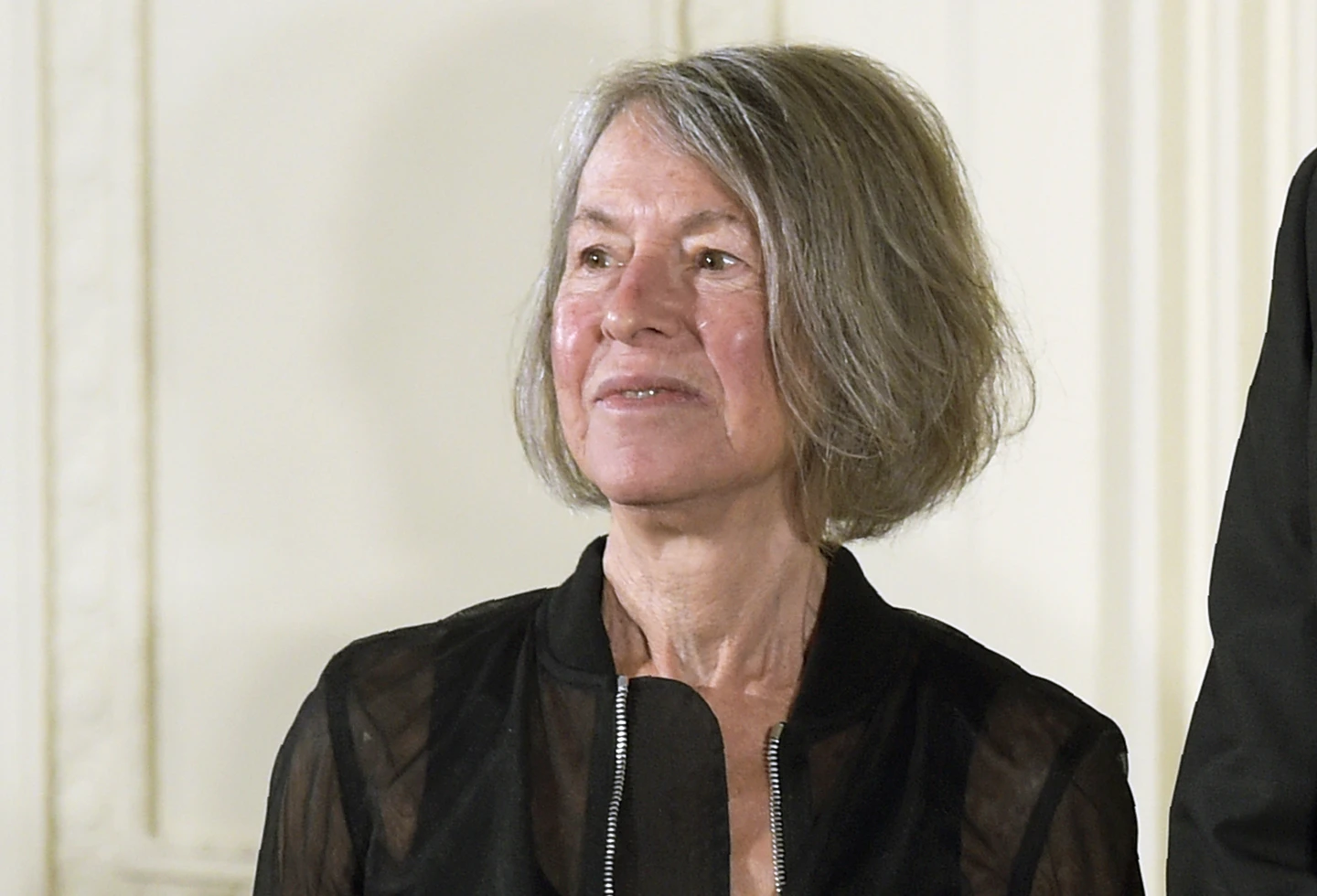
Louise Glück’s “The Wild Iris” is a masterpiece of contemporary poetry that delves deep into themes of nature, spirituality, life, death, and renewal.
Advertisement
At the heart of “The Wild Iris” is the metaphor of a garden, which serves as a powerful symbol for life itself. The collection is structured as a series of letters and dialogues between the gardener and the flowers.
The gardener, who could be interpreted as the poet herself or a surrogate for the reader, embarks on a deeply spiritual journey.
“The Wild Iris” reads like a conversation with the divine, as the gardener engages in a complex and often fraught dialogue with the flowers.
In doing so, Glück grapples with fundamental questions about faith, mortality, suffering, and the human condition. The poems navigate the fragility and transience of existence, and the blossoming and withering of the garden serves as a metaphor for the human life cycle.
Advertisement

The beauty of “The Wild Iris” lies in its layered and open-ended nature. It invites readers to engage in their own interpretations and reflect on their individual experiences with grief, loss, and rebirth.
Louise Glück’s profound collection reminds us that even in our darkest moments, we can find solace in the cycles of life, just as the wild iris blooms anew after the harshest winters.
Leave a Reply